 Innovations & Future
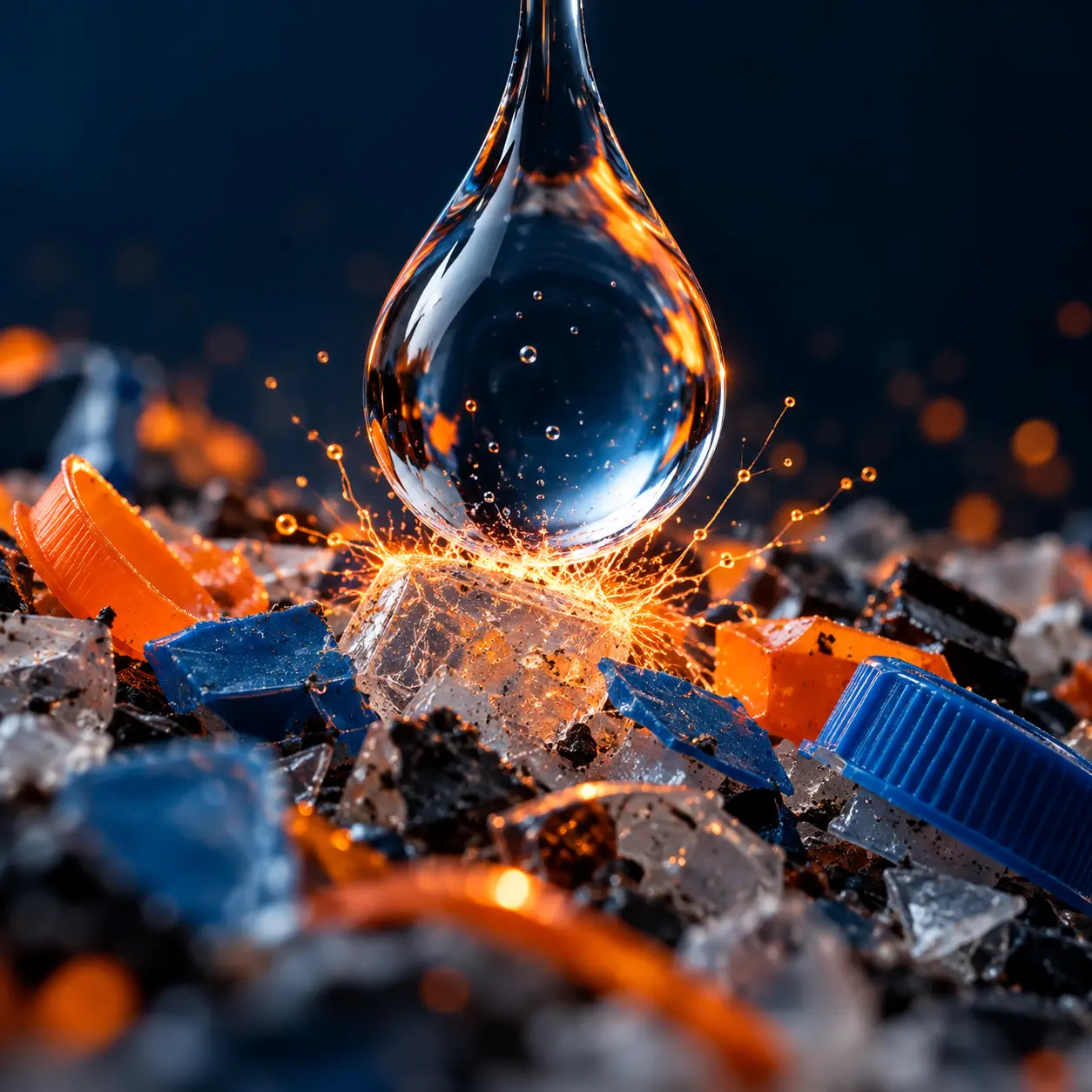
Microplastics: water can make them chemically active
A Nature study reveals how common microplastics generate reactive molecules in water, without yet quantifying real-world human risk.
Read the article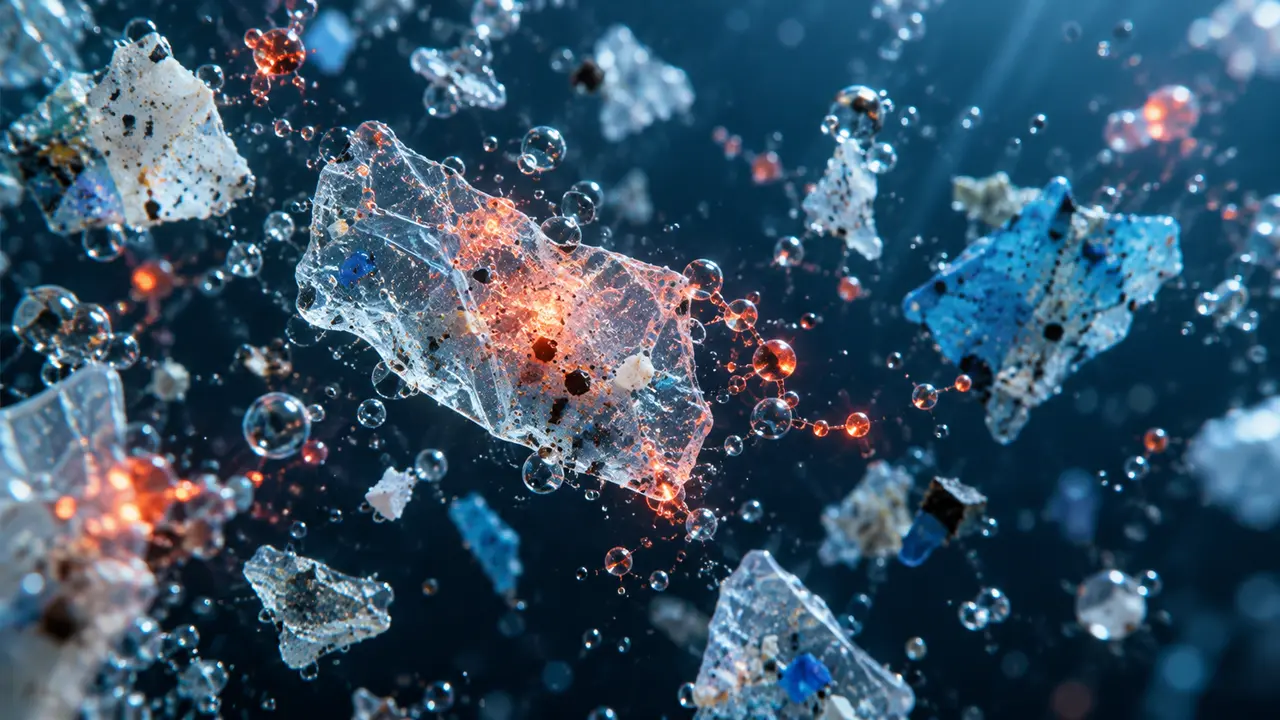
A Nature study reveals how common microplastics generate reactive molecules in water, without yet quantifying real-world human risk.
Innovations & FutureA Nature study reveals how common microplastics generate reactive molecules in water, without yet quantifying real-world human risk.
Read the article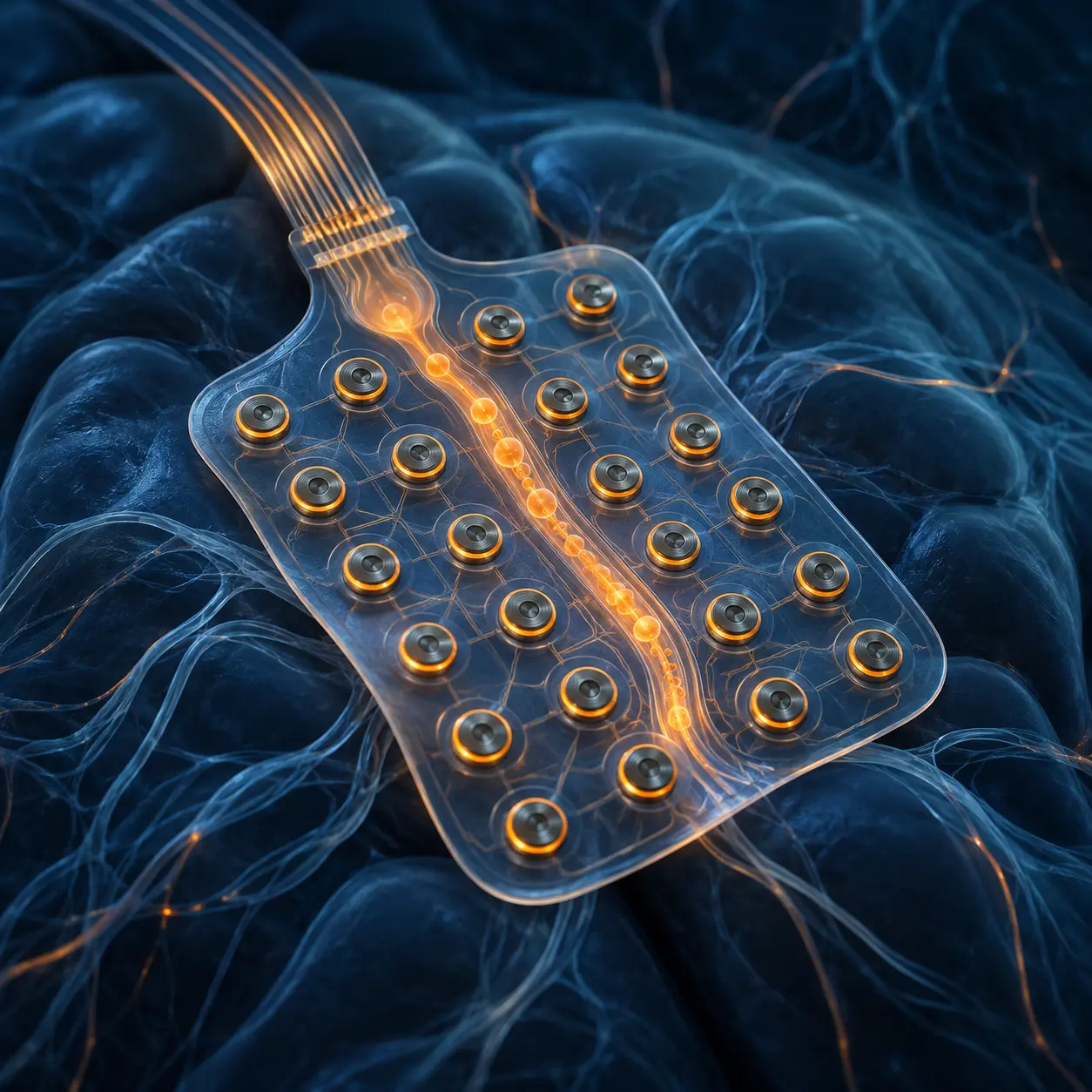 Innovations & Future
MIT tested an implant combining infusion and ultrasound to widen molecular distribution in the brain; results are preclinical.
Read the article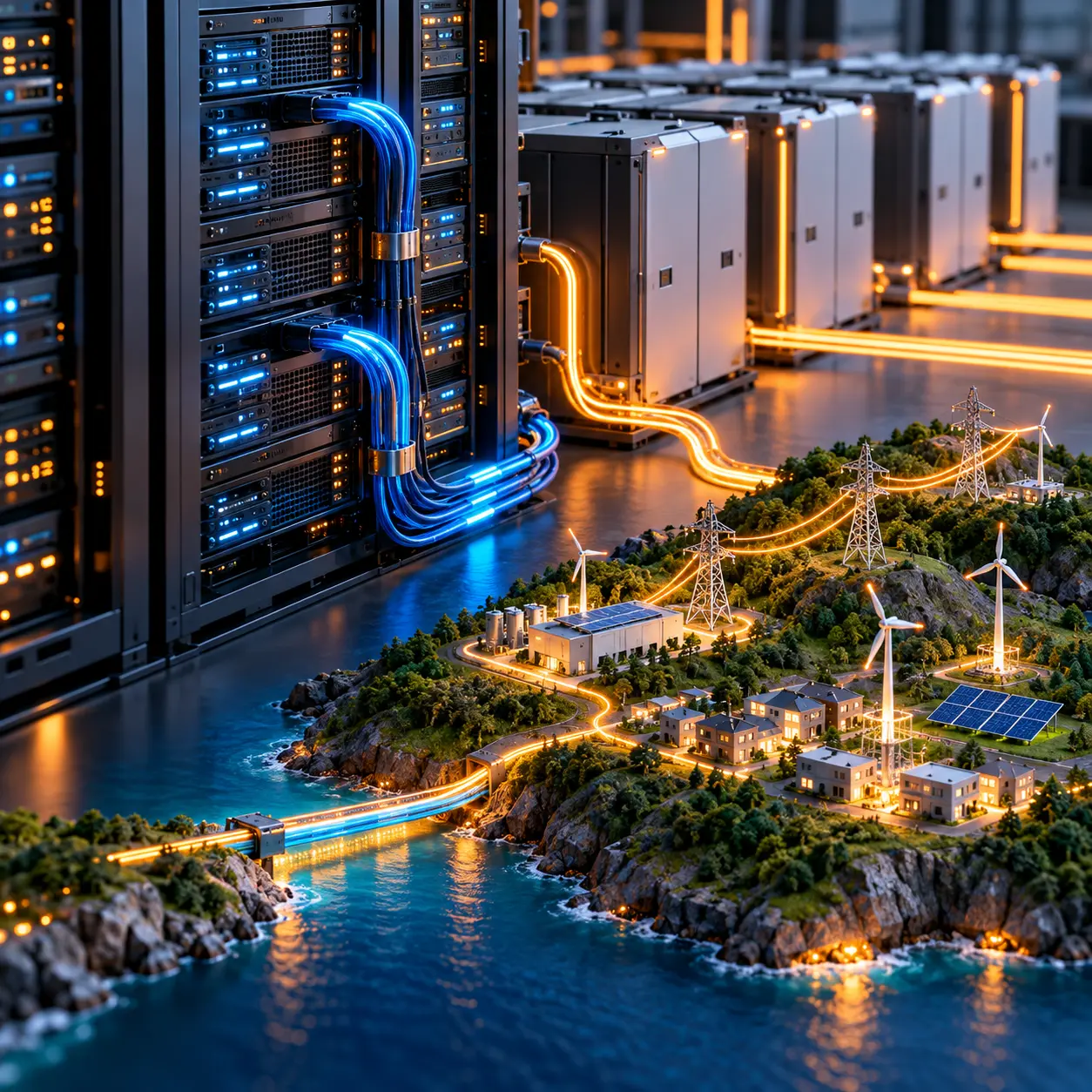 Innovations & Future
AI accelerates microgrids for data centres: resilience, batteries and direct current, alongside costs and emissions to monitor.
Read the article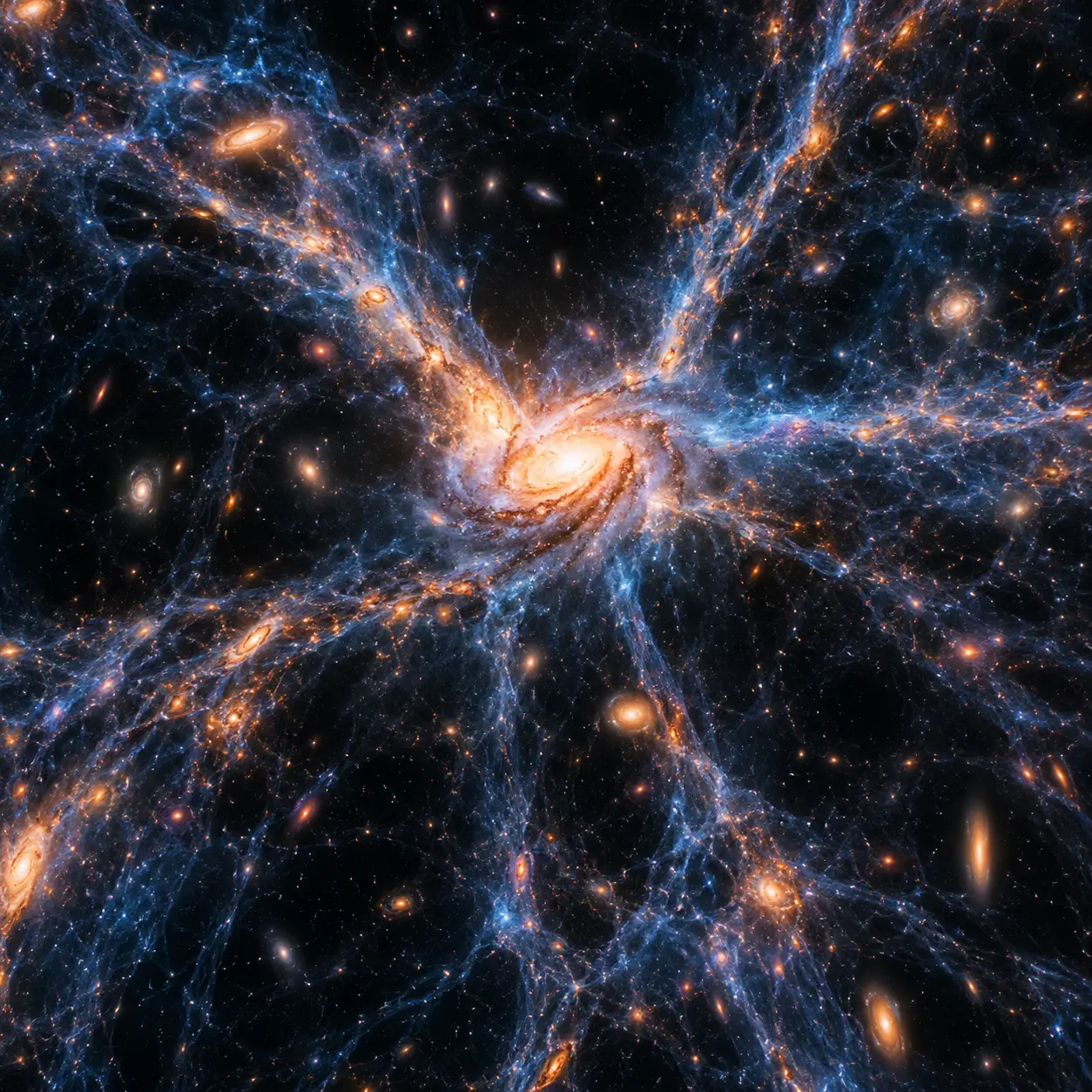 Innovations & Future
Lumina follows galaxies, black holes and reionisation at scale to compare its predictions with James Webb and Roman observations.
Read the articleInnovations & FutureA Nature study reveals how common microplastics generate reactive molecules in water, without yet quantifying real-world human risk.
Read the articleInnovations & FutureMIT tested an implant combining infusion and ultrasound to widen molecular distribution in the brain; results are preclinical.
Read the articleInnovations & FutureAI accelerates microgrids for data centres: resilience, batteries and direct current, alongside costs and emissions to monitor.
Read the articleInnovations & FutureLumina follows galaxies, black holes and reionisation at scale to compare its predictions with James Webb and Roman observations.
Read the article Innovations & Future
A study published in Nature Communications on 19 October examines the mechanical storage that electrified railways could provide.
Read the article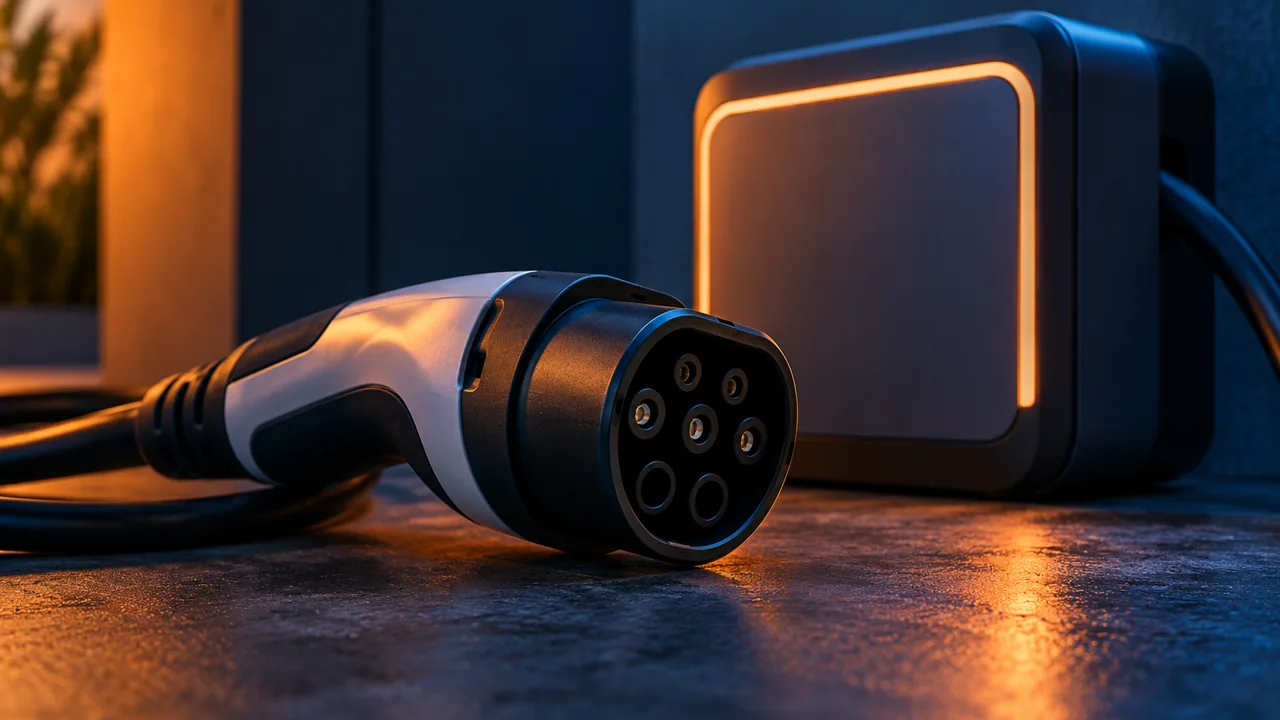 Innovations & Future
A study published on 17 October presents distributed charging coordination tested on a platform combining hardware and simulation.
Read the article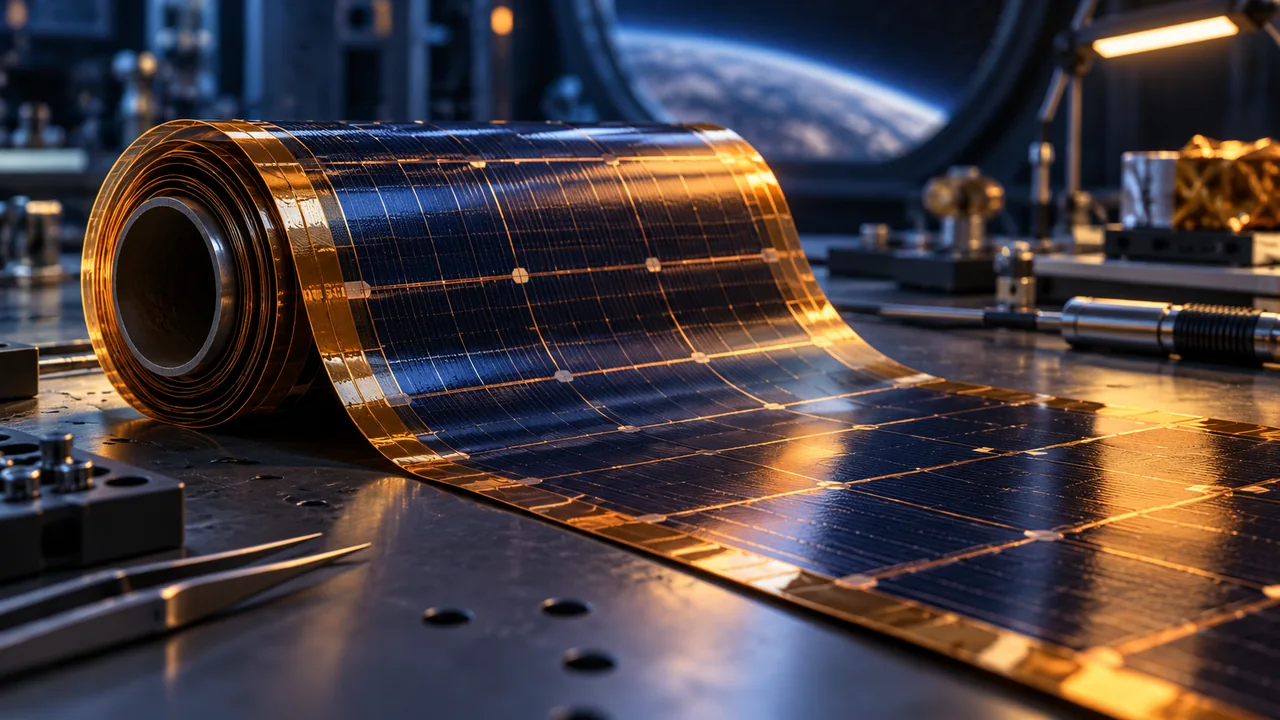 Innovations & Future
On 15 October, NASA detailed the ISS power upgrade using roll-out solar arrays; a briefing on two spacewalks is announced for 20 October.
Read the article Innovations & Future
On 19 October, the MIT Energy Initiative published an account of its 22–23 September conference, where data-centre growth was a prominent topic.
Read the article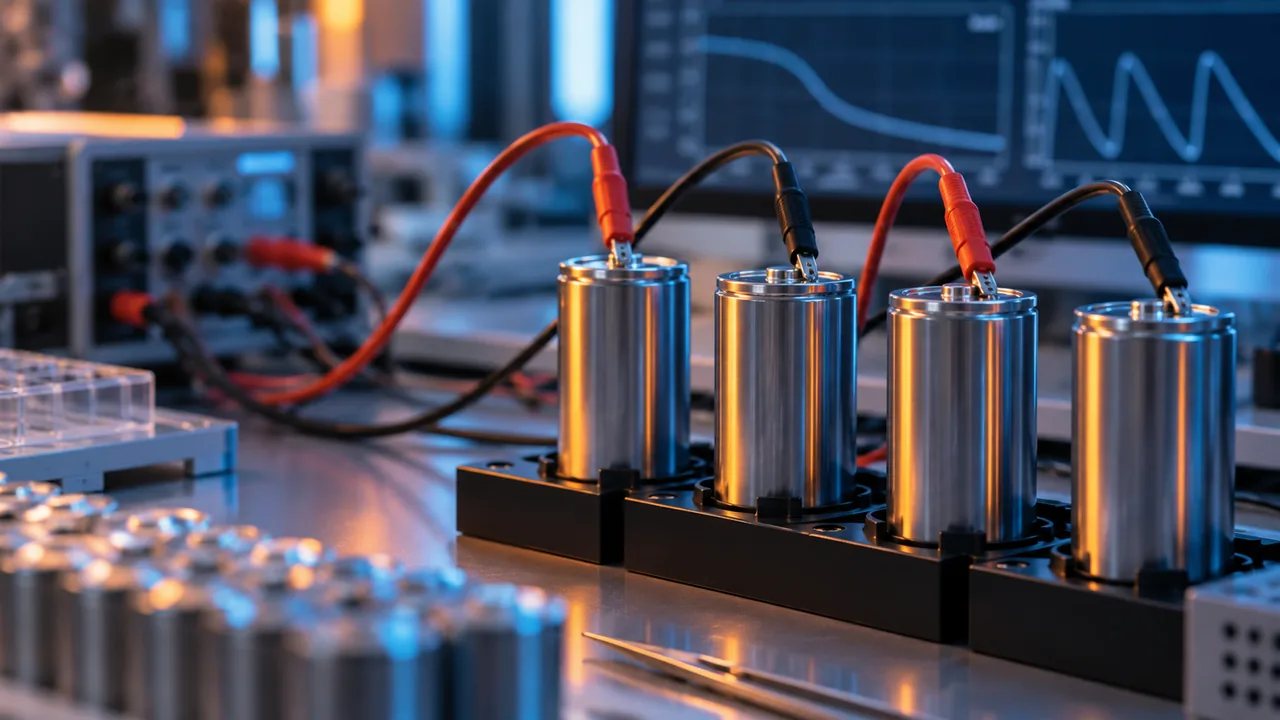 Innovations & Future
MISTRAL aims to accelerate battery testing. Its proposed time and cost savings remain targets to validate.
Read the article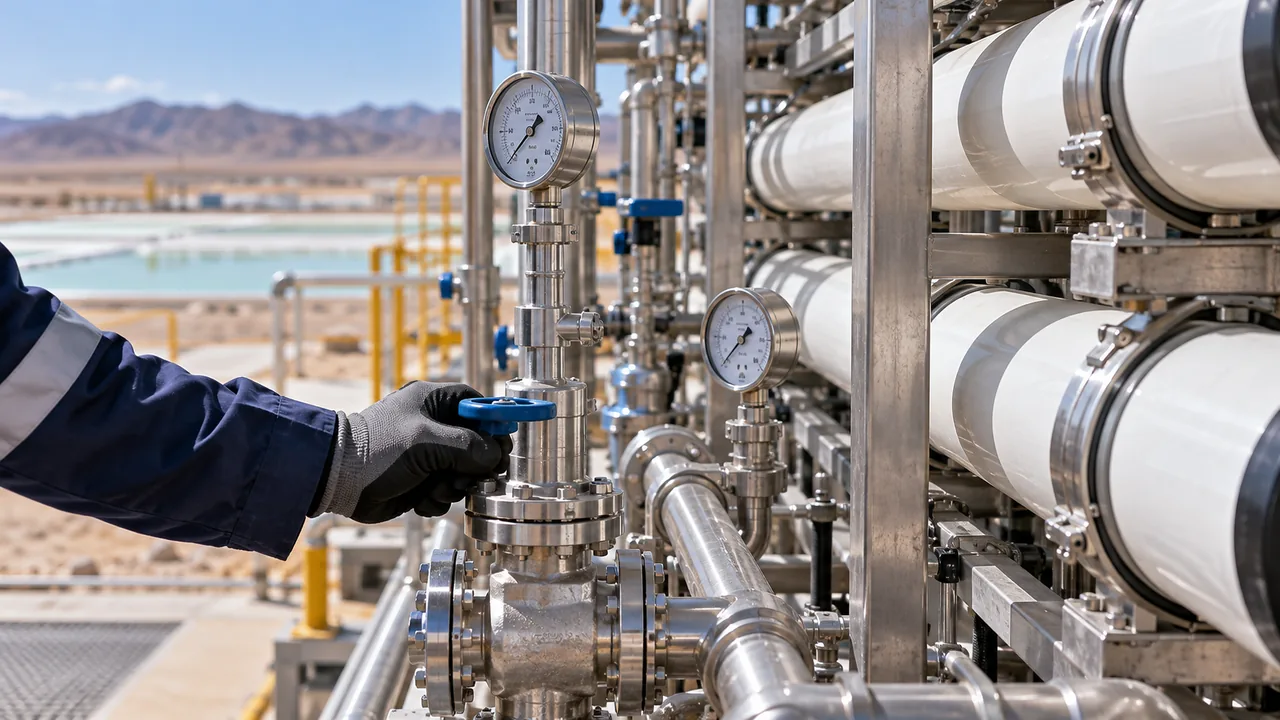 Innovations & Future
EnergyX is to supply Trafigura with 100,000 tonnes of lithium products over ten years. Faster extraction must still prove its efficiency and impact at industrial scale.
Read the article Innovations & Future
Companies are simulating clinical trials to identify likely drug failures sooner. The FDA is examining such tools while retaining the need for evidence from patients.
Read the article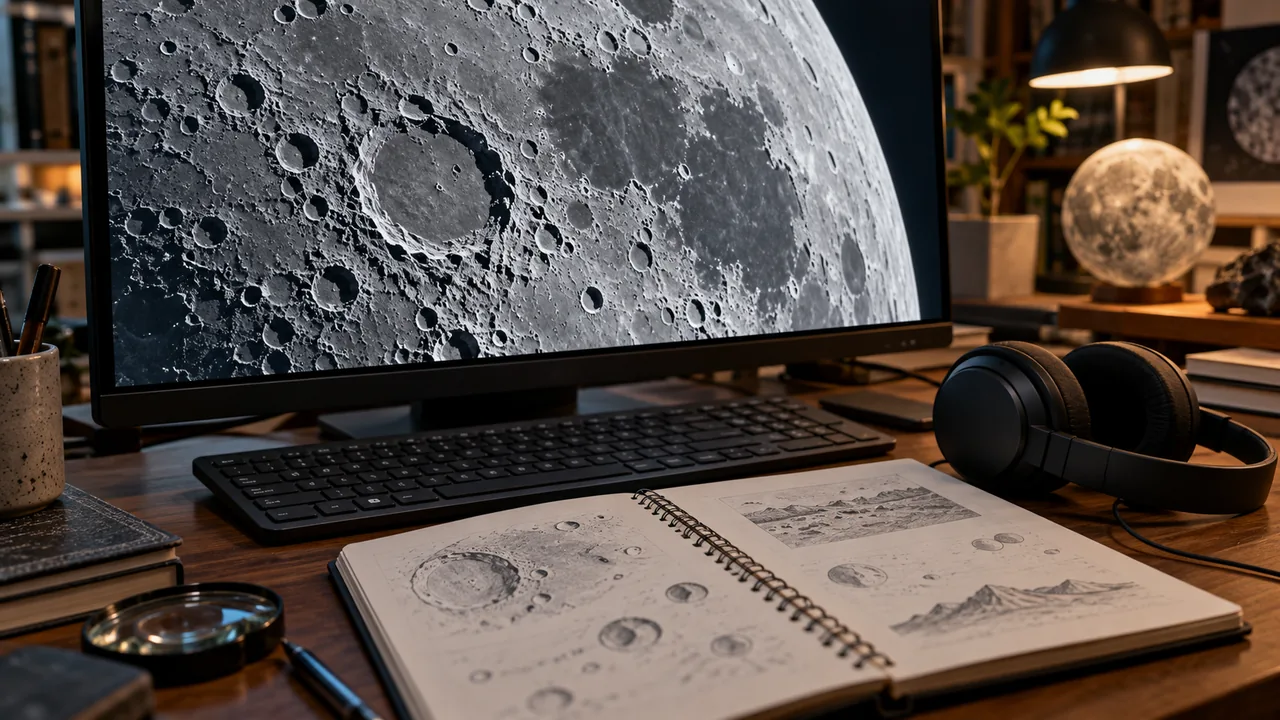 Innovations & Future
NASA has released more than 800 GB of Artemis II science data. Photographs, recordings and annotations can now support research and future lunar missions.
Read the article Innovations & Future
For five years, Aurora’s driverless trucks may use cab-mounted beacons instead of roadside warning triangles in the United States. Crashes must be reported.
Read the article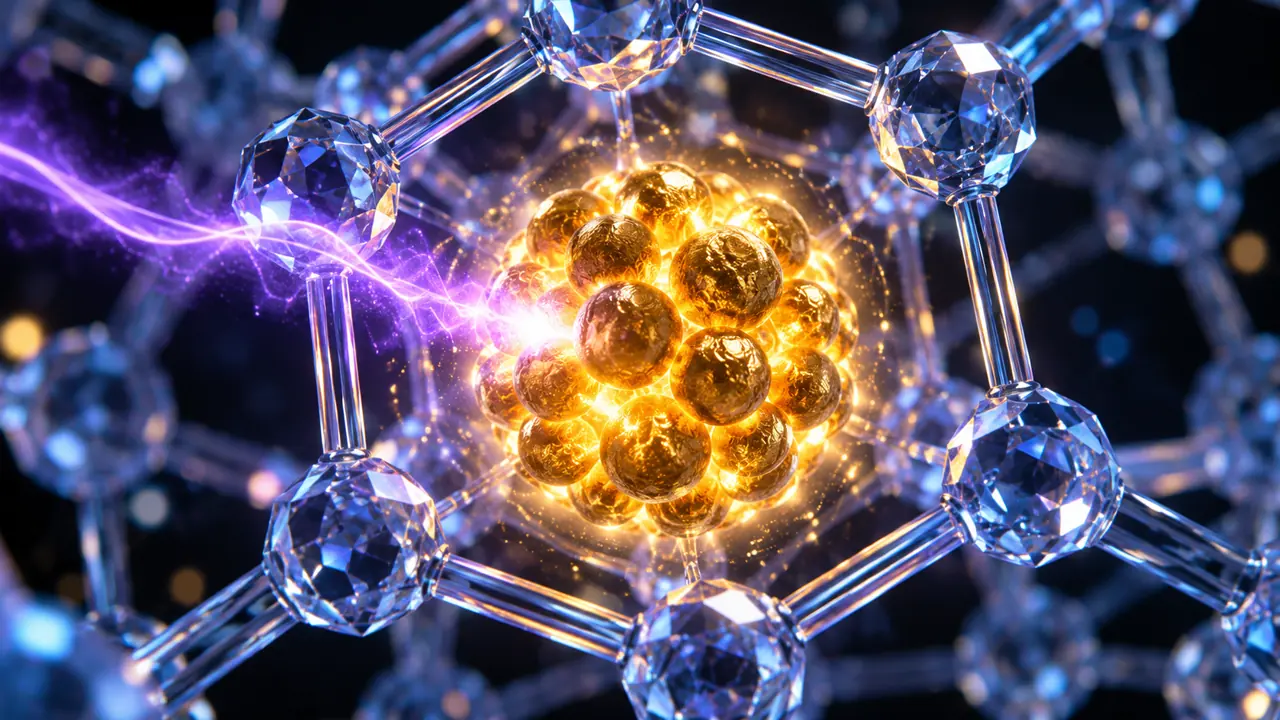 Innovations & Future
Thorium-229 clocks now work in the laboratory. One day they could improve synchronisation, navigation and fundamental research.
Read the article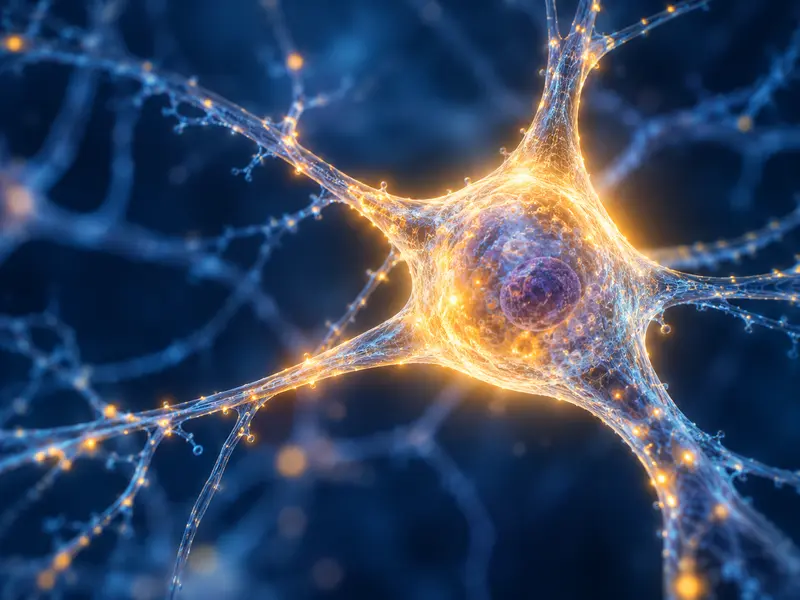 Innovations & Future
The 2026 medicine Nobel recognises optogenetics, now a major tool for studying nerve cells. Its therapeutic applications still require separate evaluation.
Read the article Innovations & Future
A study reports 28.20% efficiency for a perovskite–organic cell. The result is promising but does not yet establish the durability or cost of a commercial panel.
Read the article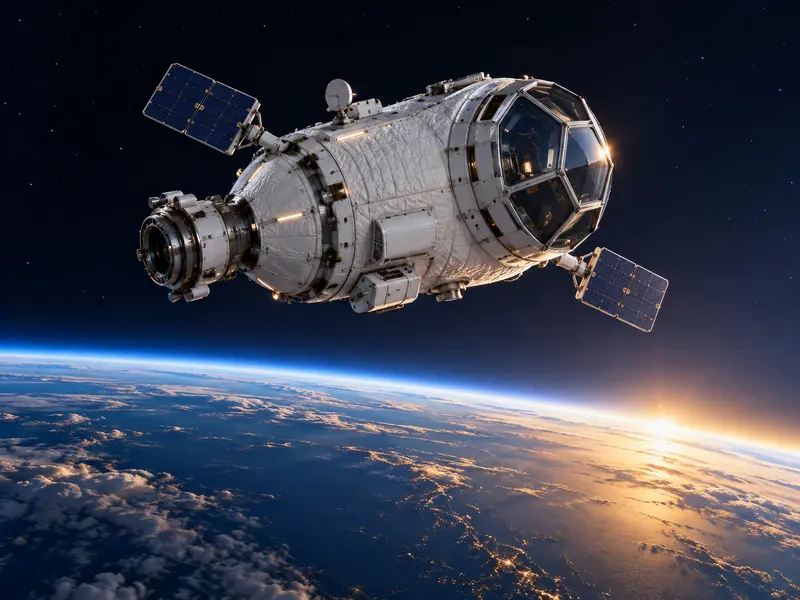 Innovations & Future
ESA and Vast signed a preparatory agreement for the post-ISS era. The issue is preserving European access to microgravity research within a commercial model.
Read the article Innovations & Future
The partnership announced on 5 October covers electric vehicles, cable transport and tunnels. Projects and their effects remain to be defined.
Read the article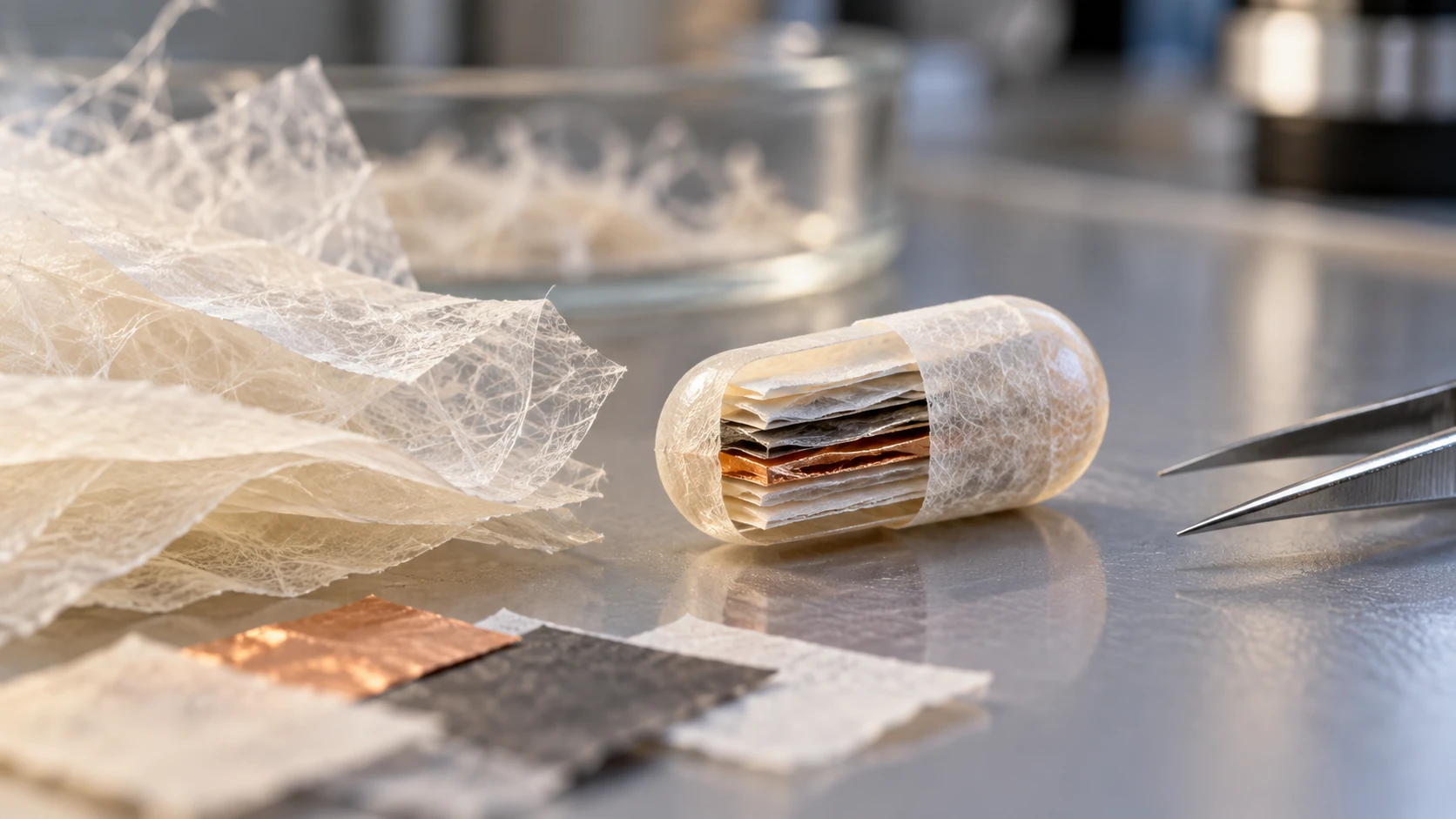 Innovations & Future
A study published on 21 September tests a bioresorbable battery in pigs. It could power temporary devices, but human use remains to be evaluated.
Read the article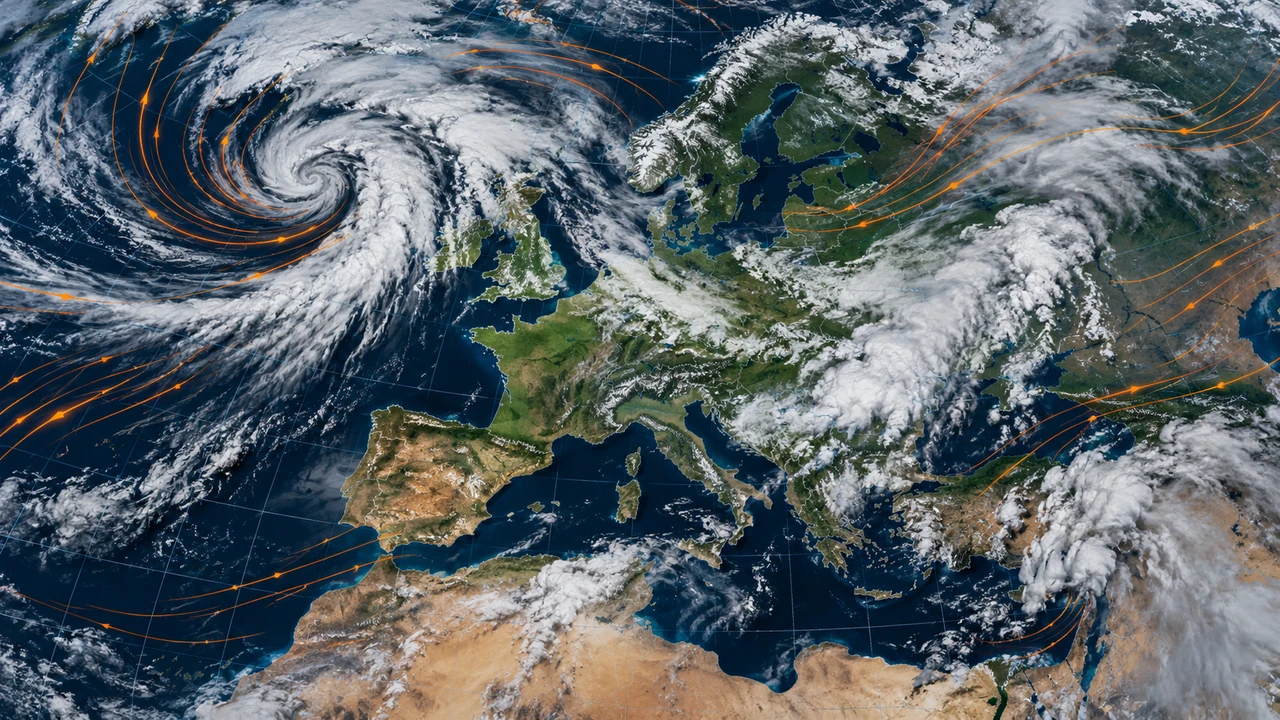 Innovations & Future
WeatherNext 3 uses recent satellite observations to issue hourly global forecasts at resolutions as fine as five kilometres.
Read the article Innovations & Future
Energy, mobility and public services: the technologies that are already improving daily life.
Read the article