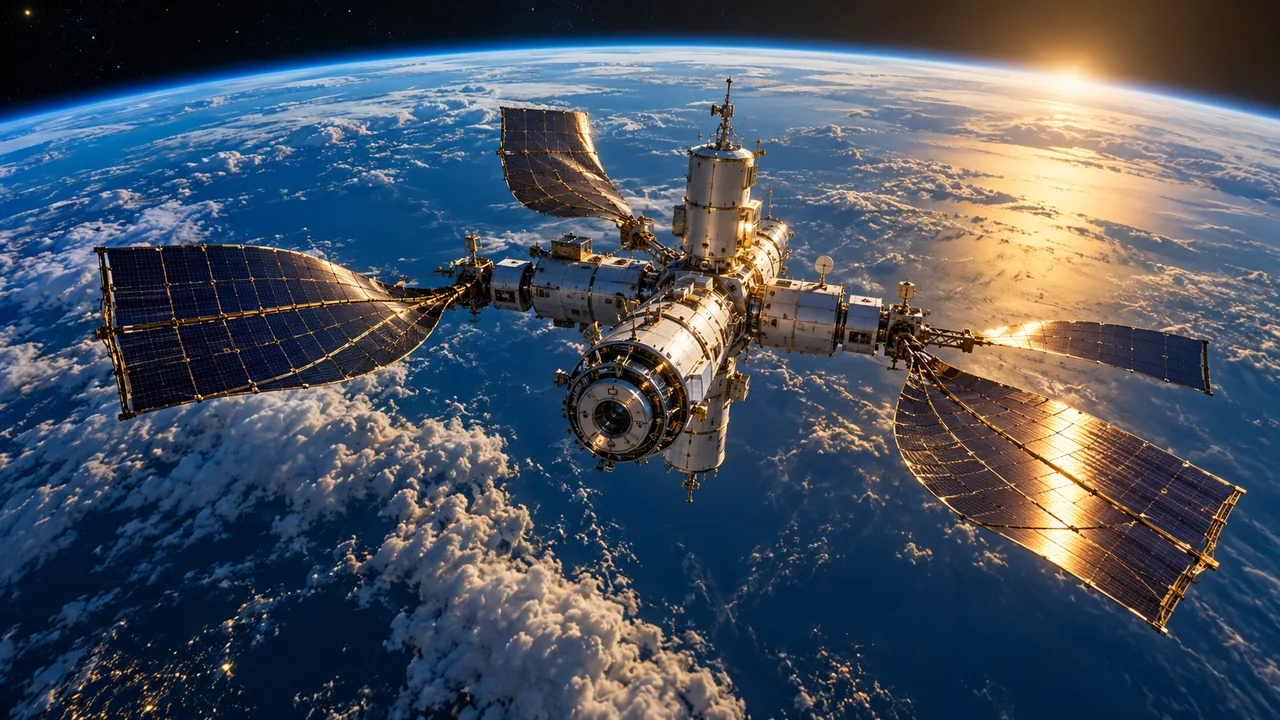
On a space station, electricity generation is not an accessory: it is a condition of operation. NASA’s update illustrates how an innovation in deployment can extend the usefulness of existing infrastructure. IROSA arrays arrive in compact form and unfurl after installation.
A technology developed through several stages
NASA dates a demonstration of this architecture to 2017 and the first installations of the new series to 2021. These stages must be distinguished: demonstrating a mechanism, delivering equipment and integrating it into a station are not the same outcome. The technology therefore did not suddenly emerge in October 2026.
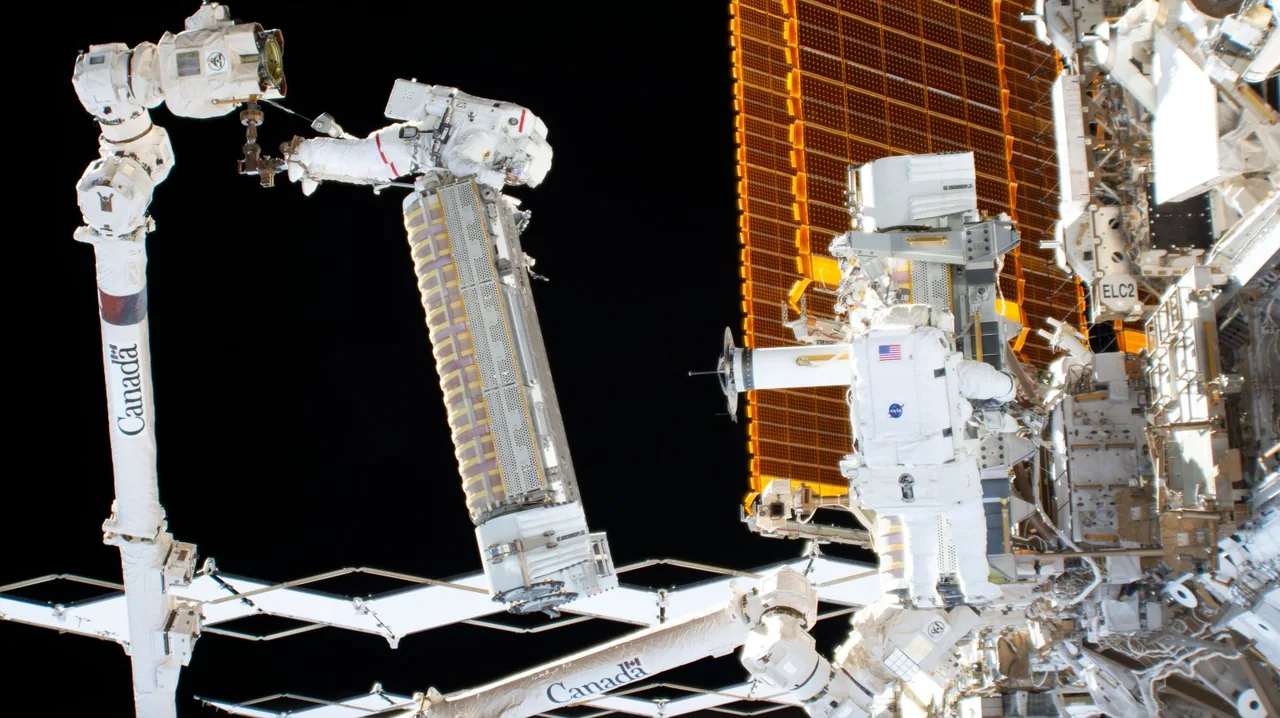
According to the 15 October account, six arrays were installed and an additional pair had been delivered. The briefing announced for 20 October is intended to present the spacewalks planned to complete the upgrade. At this article’s preparation, that briefing is still ahead; we do not treat it as an account of completed operations.
More power does not mean energy without constraints
The announced goal is to strengthen electrical capacity with the eight arrays. The communications consulted do not present power figures on a directly comparable basis, so we do not infer a numerical net gain for the station. Generated power is not a permanent energy reserve. Operation also depends on other components and orbital conditions.
Our analysis: the industrial value lies in combining launch volume, deployment and integration with equipment already in use. A single array’s performance does not summarise that of the whole system. Necessary human operations and electrical interfaces are part of usable innovation.
Concrete but indirect effects
For the public, the immediate benefit is maintaining scientific capabilities in orbit, not a new panel to put on a roof. Future applications must be documented separately. A technology tested in space does not automatically become cheaper or suitable for terrestrial buildings.
The next useful information will concern operations actually completed and performance observed after integration. Documentary images must retain their dates: a photograph from 2021 or video from 2022 does not show a 2026 installation.
Conclusion
Roll-out arrays illustrate an innovation already in use whose expansion continues. Distinguishing delivered hardware, installation and effective service remains essential to understanding what the station actually gains.

Comments 0
Be the first to comment on this article.