Much more than a travel album
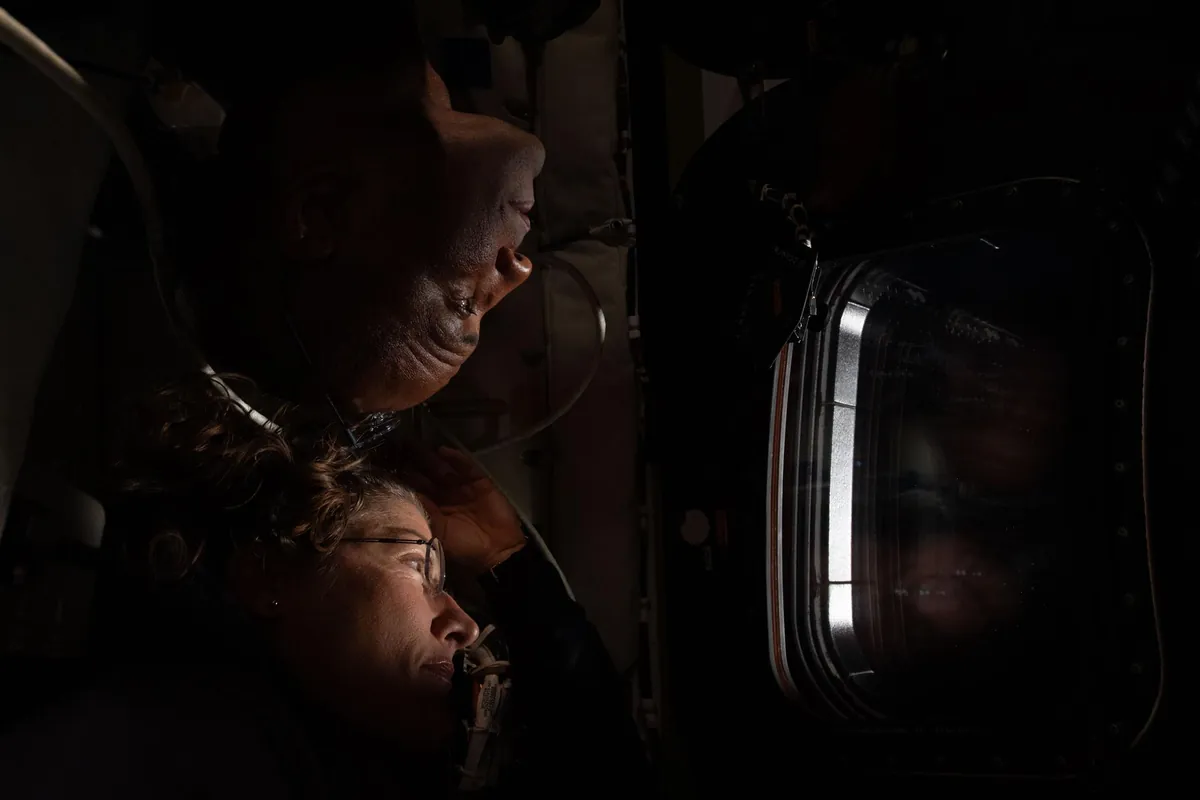
The Artemis II crew travelled aboard Orion from 1 to 10 April 2026. Reid Wiseman, Victor Glover, Christina Koch and Jeremy Hansen photographed the surface, described subtle colours aloud and annotated views during the lunar flyby.
NASA says it has released more than 800 GB of data, some previously unseen. The collection includes photographs, audio recordings, drawings, annotations and the information needed to interpret the observations. The material was prepared and reviewed before entering the public scientific archive.
A striking image attracts attention; properly documented data enable research. Time, orientation, camera settings, spacecraft trajectory and lighting conditions turn a photograph into a usable measurement.
Human eyes complement instruments
Robotic probes map the Moon with great precision, but a crew can adapt its attention. Astronauts notice colour variations, connect landforms or describe unexpected phenomena. Their recorded words provide context for the images.
This capability does not replace sensors. It adds a layer of interpretation. Teams can compare human observations with orbital maps and prepare better guidance for astronauts who may one day work on the surface.
Preparing for the missions that follow
Artemis II was a crewed test flight, without a lunar landing. Among its purposes were testing the SLS rocket, Orion spacecraft, deep-space communications and crew procedures. The released data could help improve low-light photography, information transmission and the organisation of scientific work on board.
They could also serve as a reference for teams designing navigation software, mapping tools and assistance systems. A model trained on lunar images must still preserve data provenance and limitations: an open archive does not automatically make every interpretation correct.
A public resource to reuse carefully
The Planetary Data System is designed for long-term preservation. Researchers can download files, reproduce analyses and publish new findings. Teachers can build exercises around authentic data. Companies can develop tools, subject to usage conditions and credits.
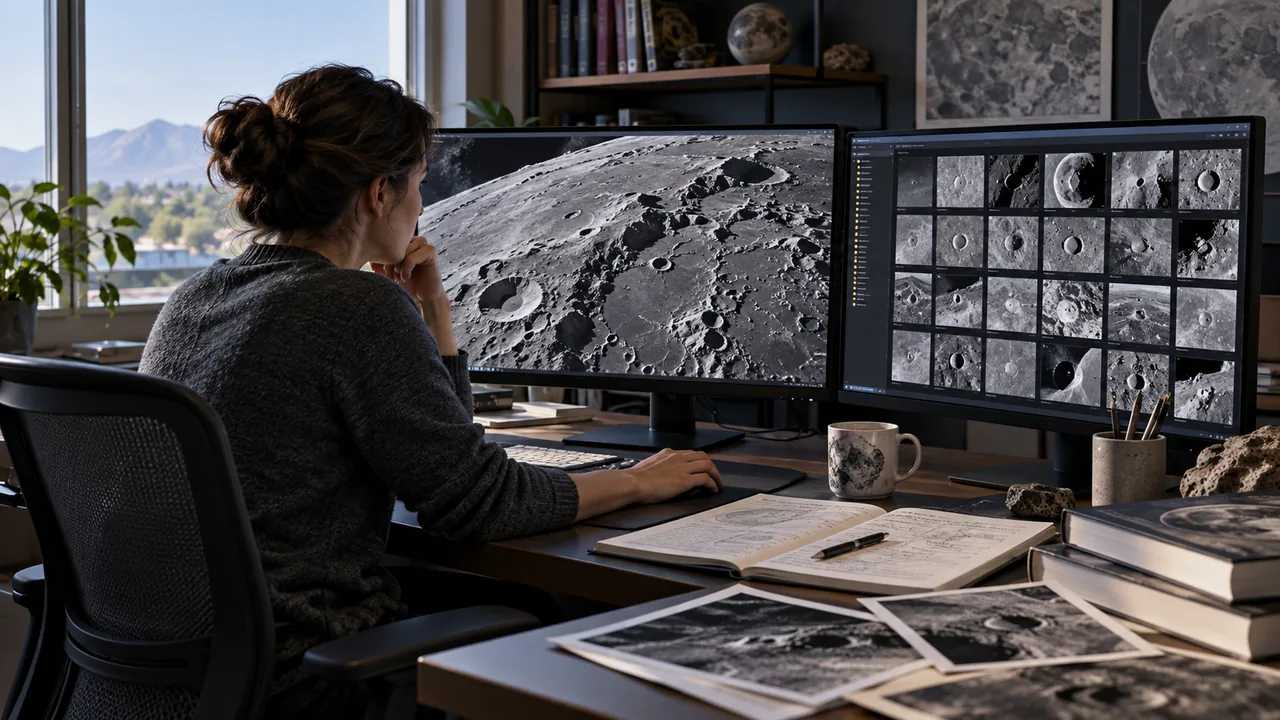
NASA also offers galleries and an audio library that are more accessible to the public. For NEO, these resources have genuine documentary value: they show what the crew actually observed, without replacing the original illustration created for the article’s cover.
Returning to the Moon depends on rockets and capsules. It also depends on shared knowledge. By opening the archive, NASA allows a ten-day mission to keep producing knowledge for years.


Comments 0
Be the first to comment on this article.