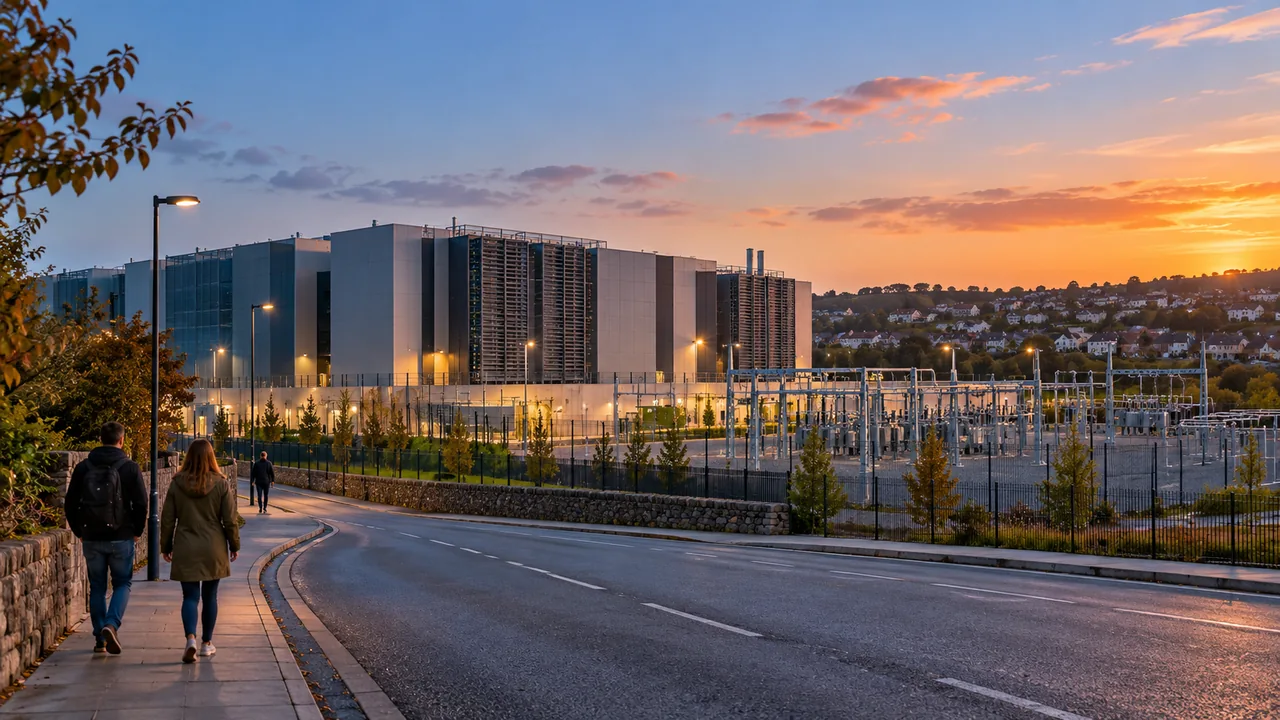
A data centre can be digital in its activity and thoroughly physical in its needs. The account published on 19 October shows that the energy transition is not merely a competition between technologies. It also means deciding where to build, how to supply facilities and what role affected communities should have.
A recent publication about an earlier discussion
The date must be clear: the account is new, but the conference took place in September. Topics included energy planning, the use of AI tools and relations between data-centre development and local populations. This is not a measurement of results achieved everywhere in the world.
The International Energy Agency’s Energy and AI report, published in April 2025, provides another framework: AI consumes electricity while potentially contributing to energy optimisation. Both effects must be assessed together. This background document is not presented as a new October 2026 announcement.
Equipment efficiency does not settle everything
Our analysis: a planning tool can help compare scenarios, but its recommendation depends on the data, constraints and objectives supplied. A quick computer-based solution does not prove that a power line, permit or piece of equipment will be available on the required date.
Improved efficiency must also be distinguished from lower total consumption. A more efficient activity can grow fast enough to require more electricity. Without an explicit accounting boundary, a favourable component-level figure cannot establish the entire project’s balance.
Trust requires commitments
The discussions reported by MIT emphasise accessible information and credible benefits for communities. For a neighbour, useful questions concern actual needs, new infrastructure, resources used and monitoring arrangements. Answers should be testable against results, not merely a general promise of innovation.
For a corporate customer, this logic also concerns service continuity and transparency about the provider’s energy commitments. It does not allow a bill’s future trajectory to be inferred from one conference. Local rules and financing choices remain decisive.
Conclusion
Data-centre energy innovation will be judged on its actual integration into the grid and local area. Useful progress combines technical performance, public evidence and an explicit distribution of benefits.



Comments 0
Be the first to comment on this article.