A contract changes the nature of the promise
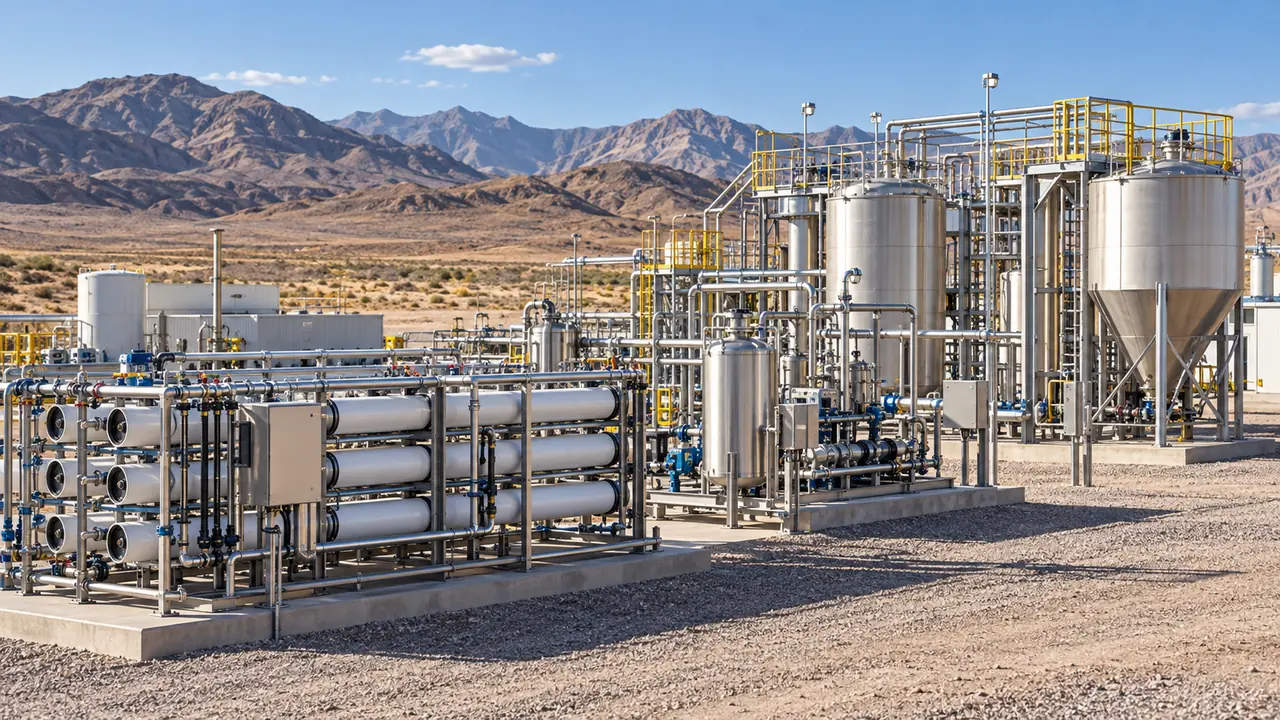
Direct lithium extraction technologies, commonly grouped under the acronym DLE, seek to isolate the metal in brines through filtration, adsorption or separation processes. Unlike traditional evaporation ponds, which can hold brine for many months, these methods aim to process it much faster.
The binding agreement announced on 12 October runs for ten years. Trafigura is to purchase lithium carbonate produced in Chile and lithium hydroxide produced in the United States. It is EnergyX’s first public agreement of this scale. The $2 billion valuation uses current prices; it may change with the market and the volumes actually delivered.
That distinction matters. An offtake agreement establishes a commercial outlet, but does not yet prove a plant’s performance. The projects must be built, operate reliably and produce material meeting battery manufacturers’ exacting requirements.
Why energy storage is changing the market
Lithium demand has long been discussed almost exclusively through electric cars. Stationary storage, however, is becoming increasingly important. Grid batteries absorb solar or wind power when it is plentiful and release it when generation falls.
Reuters notes that this demand partly offsets the uneven development of electric vehicle sales. It makes supply more strategic: a grid battery does not move, but it can avoid the need to start an expensive power plant during peak demand and help stabilise an electricity system.
Environmental promises will need measuring
EnergyX says its platform uses selective membranes, recovers more lithium and reduces the land footprint. These claims come from the company and will need verification at each site. DLE is not a single technology: efficiency depends on brine chemistry, temperature, pretreatment and how fluids are reinjected or disposed of.
In Chile, pressure on water and salt-flat ecosystems makes the issue particularly sensitive. In Texas, energy and industrial requirements will also matter. Faster extraction is preferable only if it limits impacts across the whole cycle, including refining and transport.
What consumers should expect
Even a 100,000-tonne agreement will not immediately reduce the price of a car or home battery. Lithium accounts for only part of the final cost, alongside cathodes, cells, electronics, assembly and commercial margins.
The most tangible effect could be a more diversified supply chain. If several DLE projects achieve steady production, manufacturers will depend less on a small number of mines and refineries. Competition could reduce some shortage risks and encourage better environmental performance.
The real test now begins: turning a promising technology into regular, measurable deliveries that are compatible with the communities and environments hosting the facilities.
Comments 0
Be the first to comment on this article.