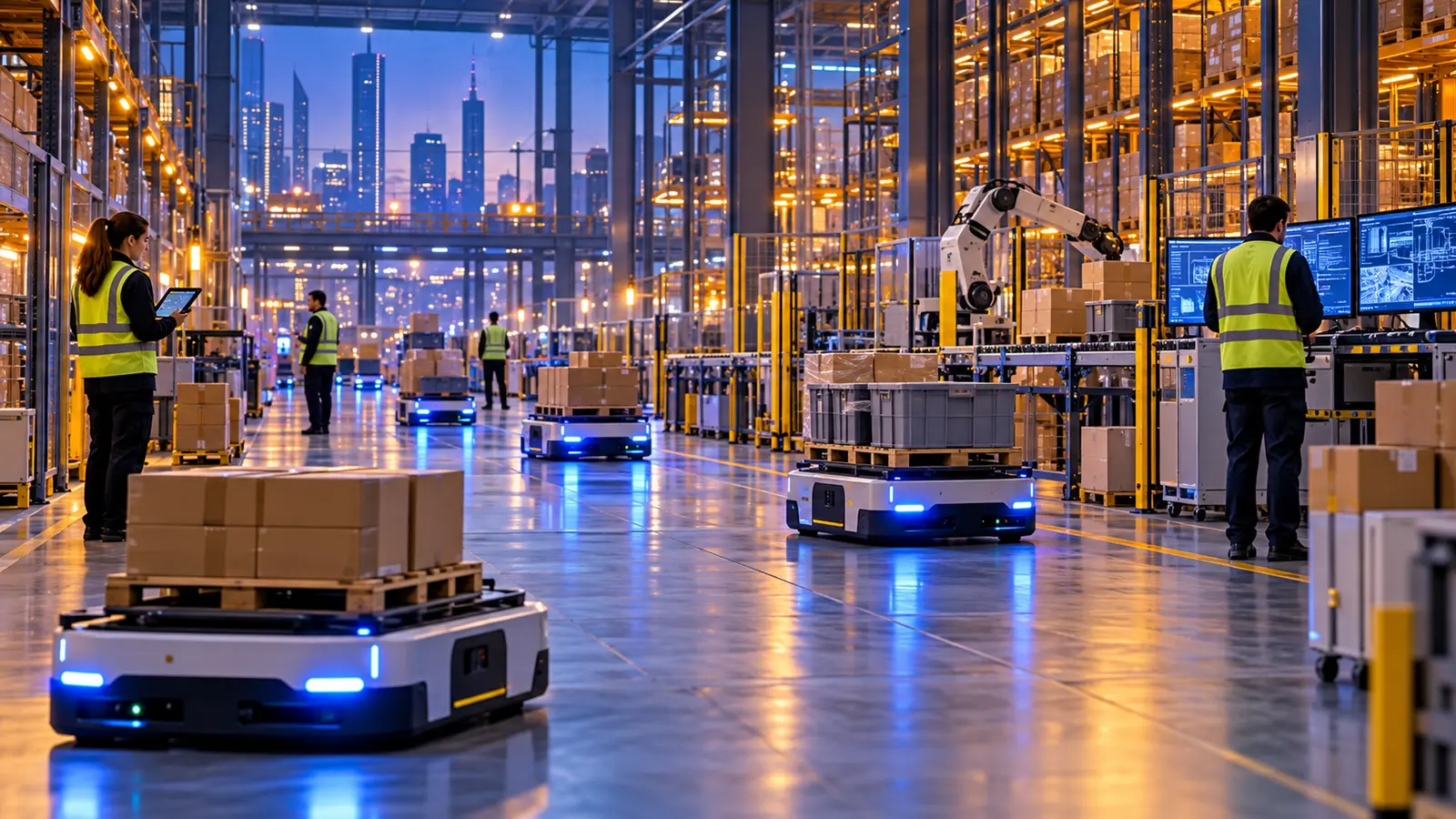
World Robotics 2026 presents results for the previous year. That timing prevents a market snapshot from being mistaken for installations completed since January 2026. Supply Chain Digital corroborated the data on 5 October. The IFR ranks transport and logistics first, ahead of hospitality and professional cleaning. The figure counts units delivered; it does not report people replaced, hours actually worked or machine lifetime.
The robot’s shape matters less than the problem solved
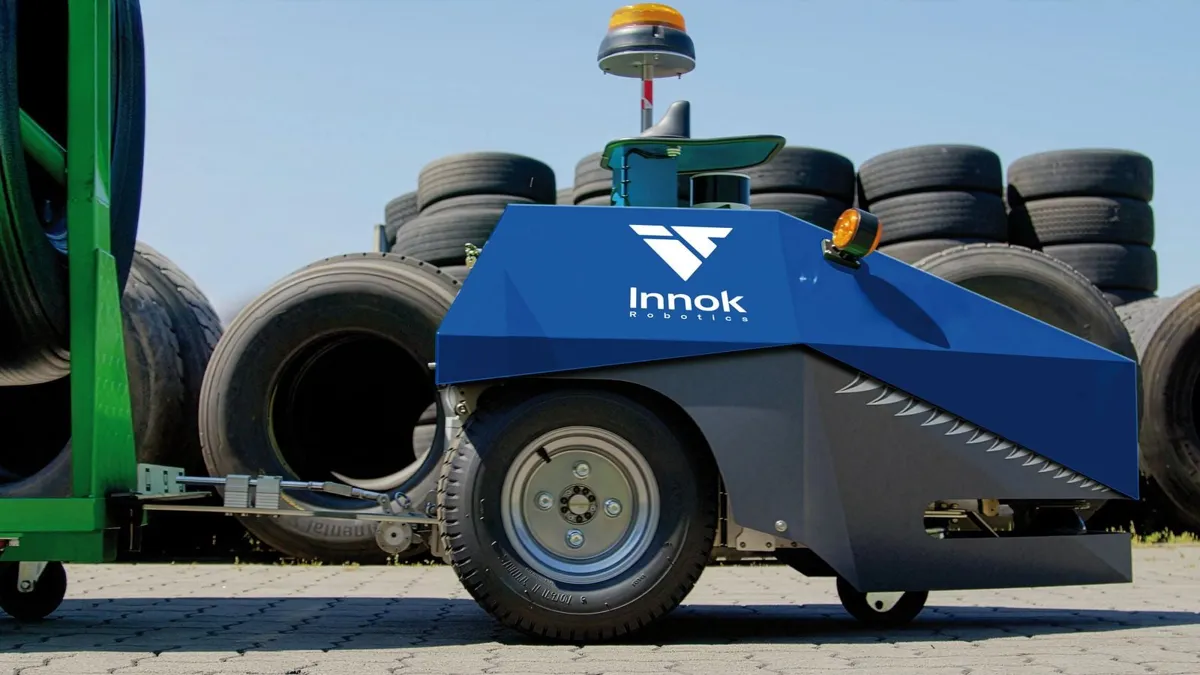
Moving loads along a defined route can be easier to measure than a promise of universal versatility. A specialised system can provide a useful service without looking human.
High sales do not guarantee success at every site. Operation depends on space, flows, coexistence with teams and how interruptions are handled. Benefit is measured in continuity of work, not only on installation day.
What changes in the organisation
Automated movement can shift work towards goods preparation, upkeep or supervision. If those new tasks are poorly anticipated, time saved in one operation may be lost elsewhere.
Working conditions matter too. Cutting travel or handling may help, while accelerating a flow can add pressure at its endpoint. Global delivery data cannot settle that local balance.
Customers may never see the robot
Change may happen inside a warehouse, upstream of the visible service. Better consistency could improve order processing, but lower prices depend on many other factors. The report supports no quantified effect on a shopping basket.
Useful comparisons should therefore cover availability, errors, interruptions and total costs. Those indicators would show whether a company turns purchased units into a lasting service.
Conclusion
IFR figures show professional robots advancing and logistics carrying particular weight. They encourage attention to adopted uses, not only spectacular demonstrations. For readers, the next question is the quality of work and service this automation produces.
Comments 0
Be the first to comment on this article.