In the factory, a humanoid wants to learn the CNC operator’s job — 1
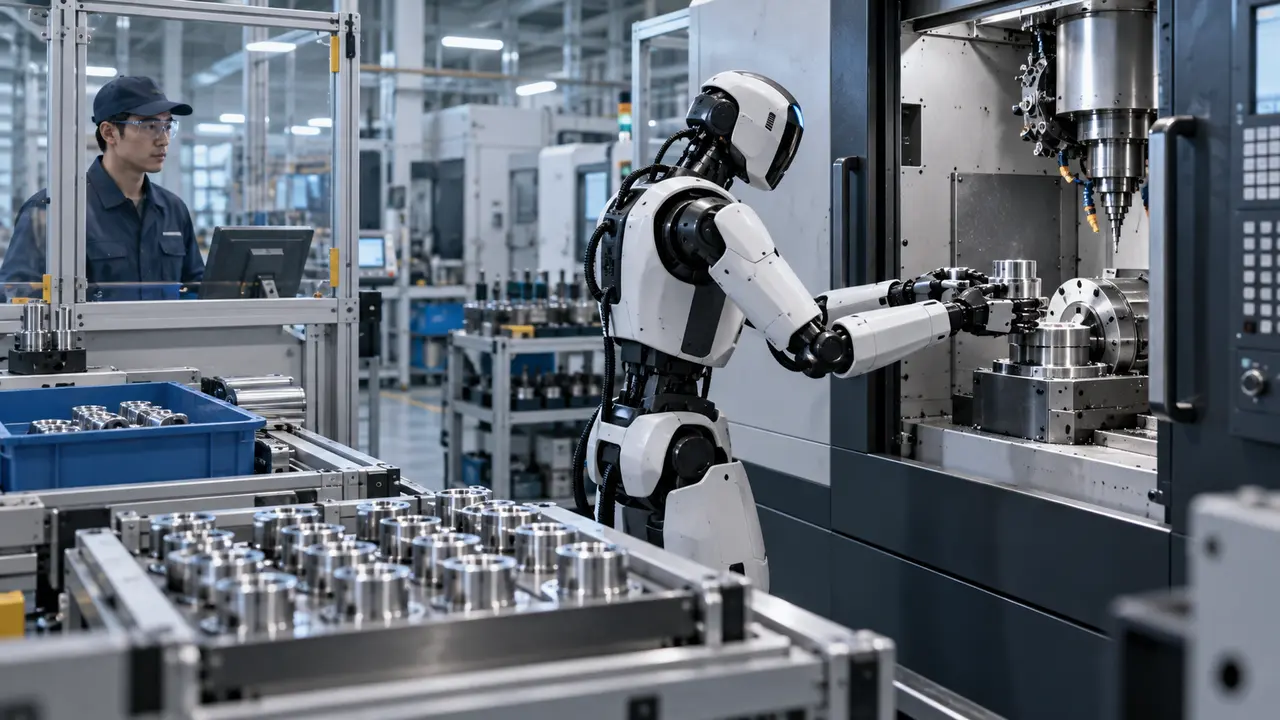
The Tokyo presentation is a technical demonstration, not evidence of an already marketed lights-out factory. Humanoids are attractive because existing workshops are designed around human doors, handles, bins and heights. Reusing that infrastructure could avoid bespoke automation around every machine.
In the factory, a humanoid wants to learn the CNC operator’s job — 2
Versatility also creates trade-offs. A dedicated industrial robot is often faster, more precise and easier to guard. The humanoid must prove uptime, cycle time, error recovery and total cost including maintenance.
In the factory, a humanoid wants to learn the CNC operator’s job — 3
For workers, repetitive or hazardous handling may decline, while demand grows for programming, supervision and maintenance. Some execution roles may also shrink. Safe adoption requires event logs, fail-safe states, escalation rules and named human responsibility when clamping, inspection or recovery goes wrong.
Conclusion
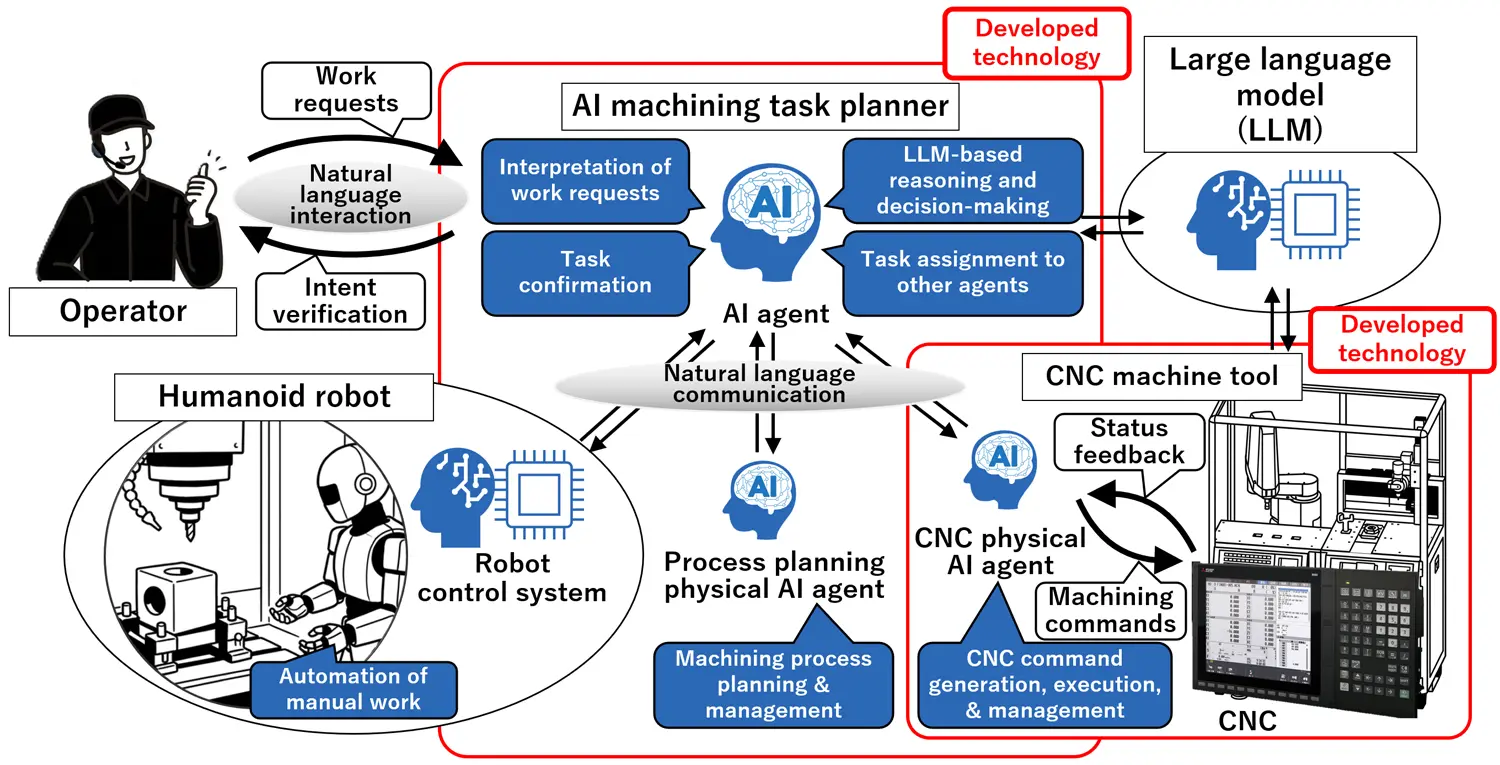
Conclusion — Mitsubishi offers a concrete coordination layer between humanoid and CNC. It may reshape workshops, but it has not yet proved that autonomous production will be safer or cheaper than conventional automation.

Comments 0
Be the first to comment on this article.