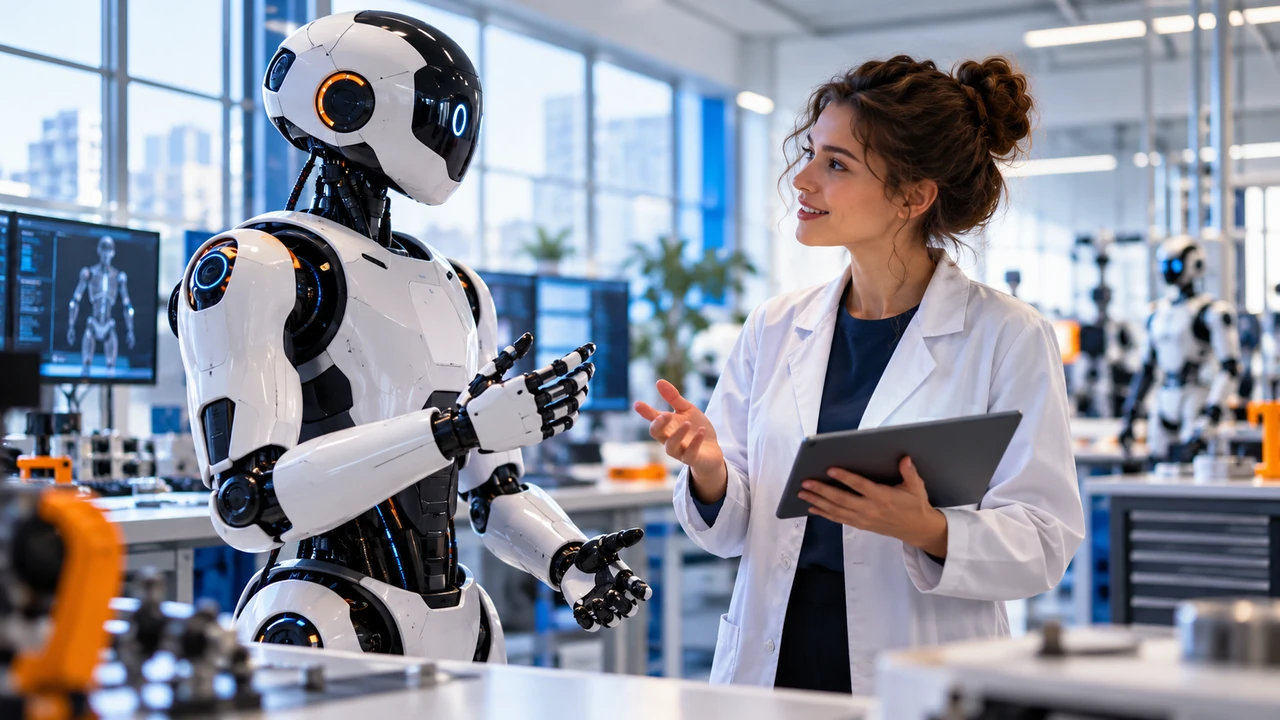
Spectacular demonstrations are multiplying, but a robot’s usefulness is measured less by its appearance than by its ability to repeat a task safely, predictably and cost-effectively.
Why a human form?
Factories, warehouses and buildings were designed for people. In theory, arms, hands and a height similar to a human’s allow a robot to use the same doors, tools and workstations.
Achieving this versatility remains difficult. Balance, the handling of varied objects and the understanding of an unpredictable environment still require a great deal of computation and control.
The first credible uses
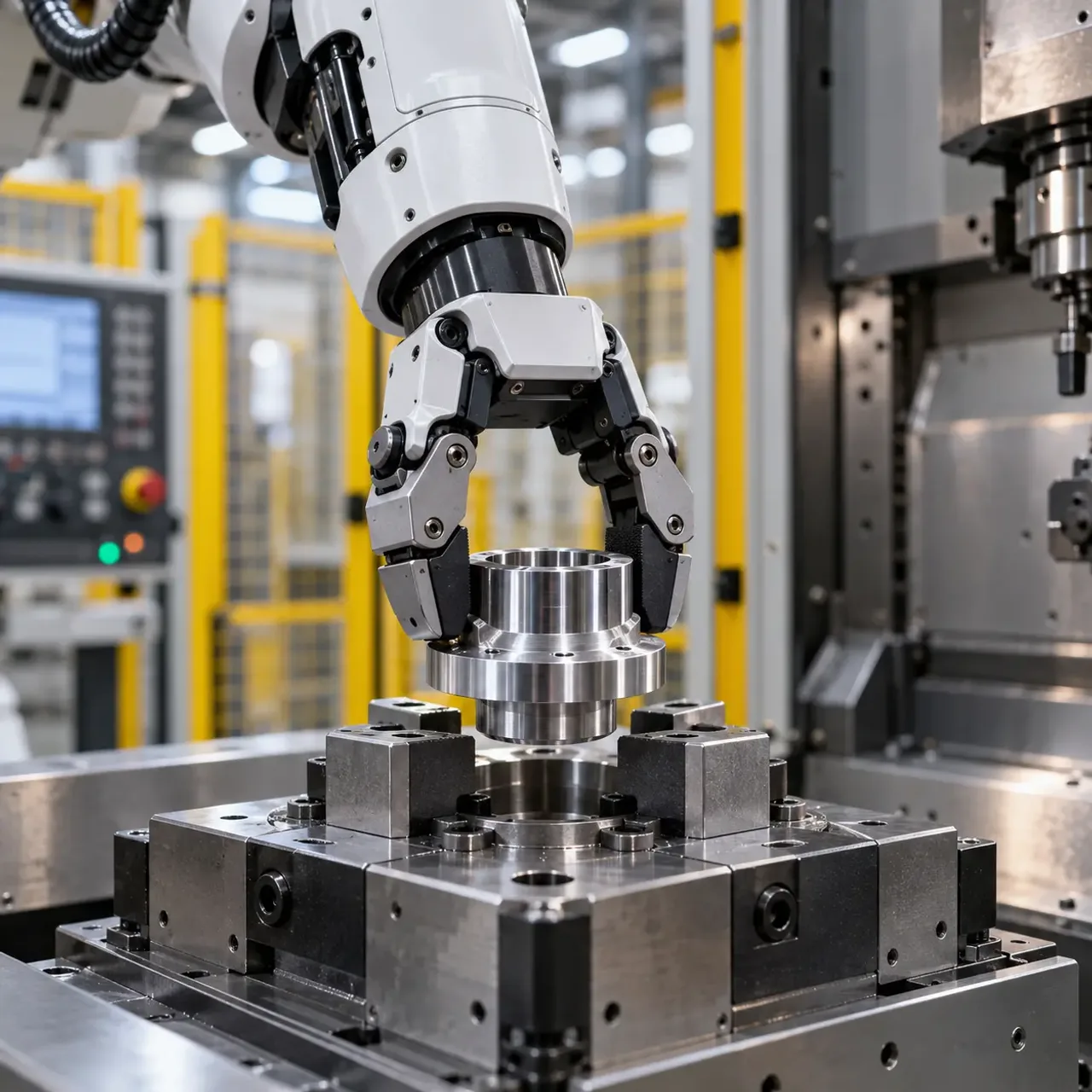
Structured environments are the most favourable: moving containers, feeding a production line, inspection or repetitive handling. There, a robot can learn a limited sequence and operate when conditions are known.
In personal assistance, safety and acceptance requirements are higher. The first viable systems will probably be specialised assistants rather than machines capable of doing everything.
The real test: endurance
A two-minute video proves neither reliability nor operating cost. The essential indicators are battery life, incident rate, maintenance time and the ability to work for several hours without intervention.
Humanoid robotics is advancing, but adoption will depend on long trials in real conditions and a clear benefit for teams.
Comments 0
Be the first to comment on this article.