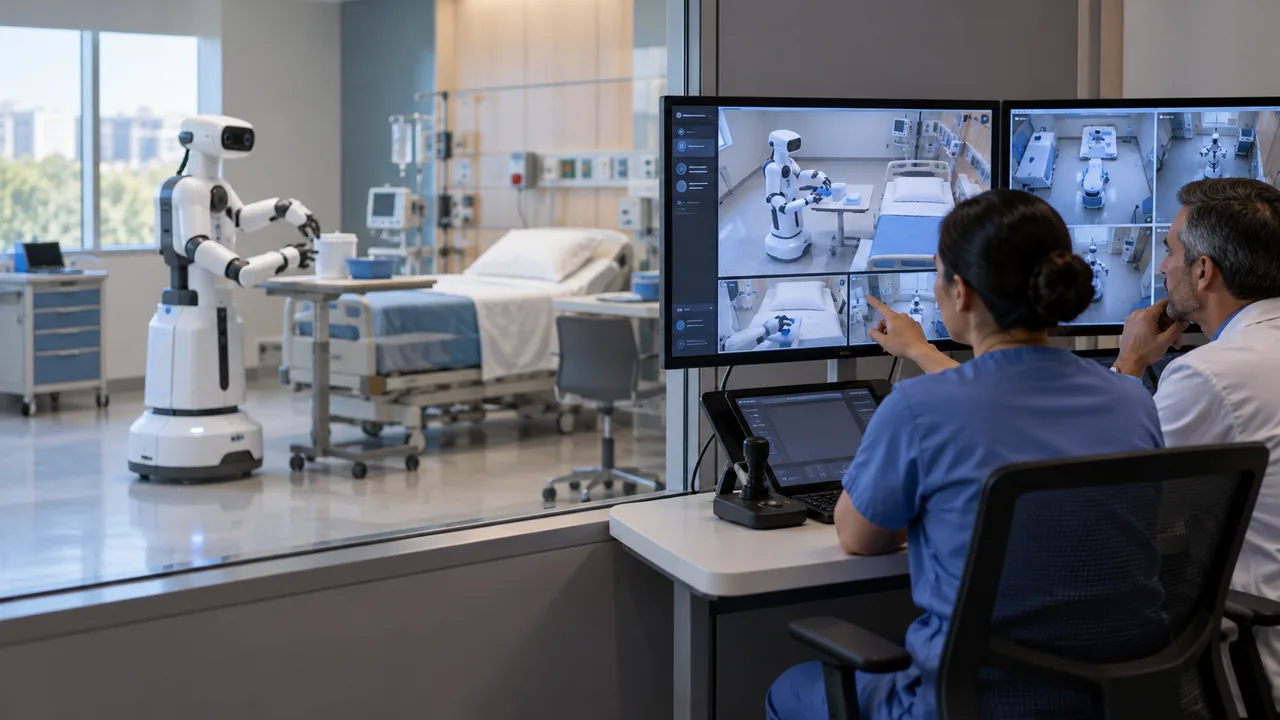
The event does not authorise any new robot. It shows that traditional criteria need clarification when a machine acts remotely or takes over part of a task.
A consultation, not an approval
The Center for Devices and Radiological Health will bring together manufacturers, clinicians, patients and regulatory specialists. Preparatory documents and the agenda are still listed as forthcoming.
The FDA wants to understand user experience better and prepare future policy. Holding the workshop does not mean that any particular autonomous system is approved or ready to replace a professional.
Distance creates new failure modes
Remote operation depends on connection quality, latency, authentication and the ability to take over locally. An autonomous machine must also detect when it leaves its intended domain and stop without making matters worse.
Testing must cover sensor errors, network loss, software updates and unexpected behaviour. Cybersecurity becomes a direct component of clinical safety.
Measure the real benefit for patients
Technical precision is not enough. Evaluations should compare clinical outcomes, complications, procedure time, training and accessibility. Vulnerable populations must not become a testing ground without safeguards.
Consent should explain the robot’s role, autonomy level and who is responsible. Operational logs can support incident investigations, provided health data is protected.
Conclusion
Medical robotics can bring expertise closer and automate some actions. The regulatory work is a reminder that progress is useful only when it remains safe, explainable and recoverable by a human team.
Comments 0
Be the first to comment on this article.