
Designing a drone show means translating an artistic idea into thousands of coordinated positions and paths. Research presented in June 2026 uses generative AI to automate part of that process while retaining safety constraints.
From text to choreography
The experimental SWAN system creates a reference video from a written prompt. It tracks the animation’s movements and converts them into paths compatible with a drone swarm.
The approach aims to preserve visual coherence as the figure transforms. A planner assigns paths to aircraft, followed by a safety filter that limits collision risks under the model’s conditions.
2,000 simulated aircraft, 49 real ones
Pascal Reinhold, Alexander Gräfe and Sebastian Trimpe report simulations of up to 2,000 drones, together with a physical feasibility demonstration using 49 real quadcopters.
The team says calculations run on consumer hardware. This could make prototyping more accessible, but a controlled 49-aircraft demonstration does not prove that a public 2,000-drone show is ready for operation.
Technical preparation remains essential
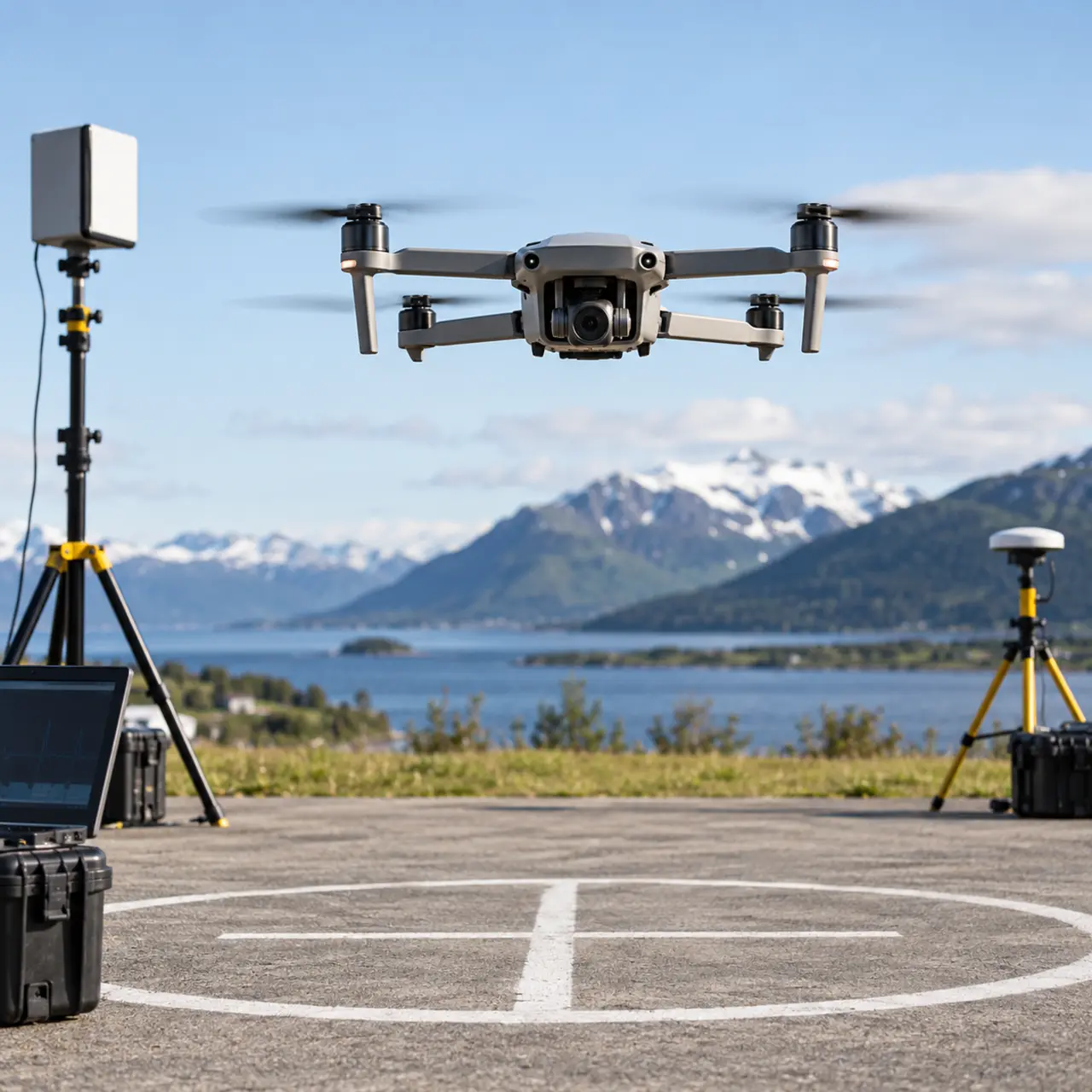
Real performances require checks on batteries, positioning accuracy, communications, wind and safety areas. Responses to failures must be planned and validated.
A simulation’s collision-avoidance filter does not by itself guarantee audience safety. Operators retain responsibility for checks, permits and stopping a show when conditions become unsuitable.
A tool for creators
SWAN could shorten the journey from an idea to a first simulation. An artist could compare several transformations before submitting a version for technical approval.
The tool can support choreographers while engineers remain in control of physical constraints. The originality of outputs and rights associated with model-training material also need examination.
Conclusion
The research shows how generative AI could contribute to robotic choreography. Large public performances still require human, regulatory and technical validation: automated creativity does not replace evidence of safety.

Comments 0
Be the first to comment on this article.