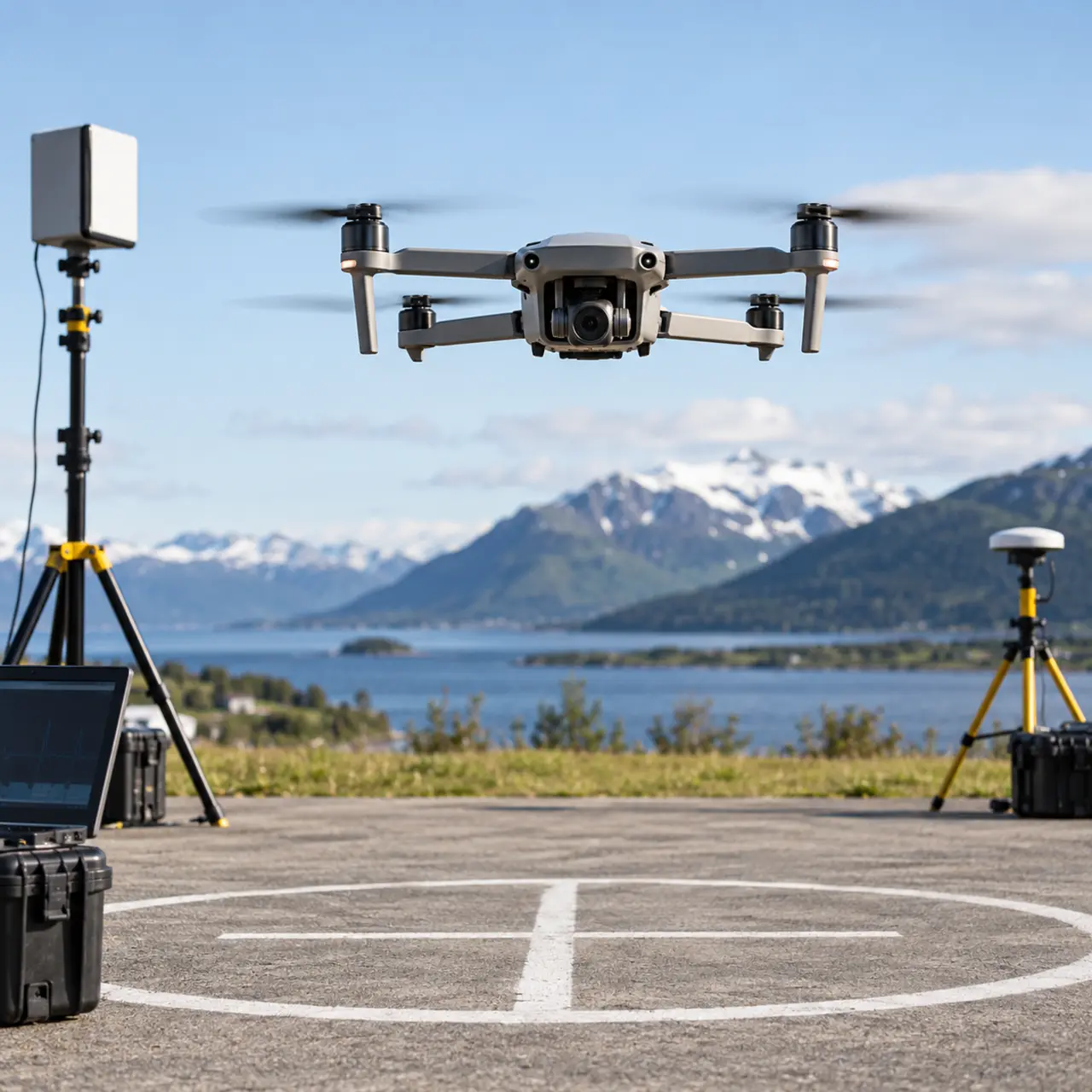
In a late-September trial at a former airbase in Katwijk aan Zee, Nexus combined data from several radars, sensors and cameras. Image-recognition software helped confirm a simulated target before a human operator authorised interception.
A software layer above disparate equipment
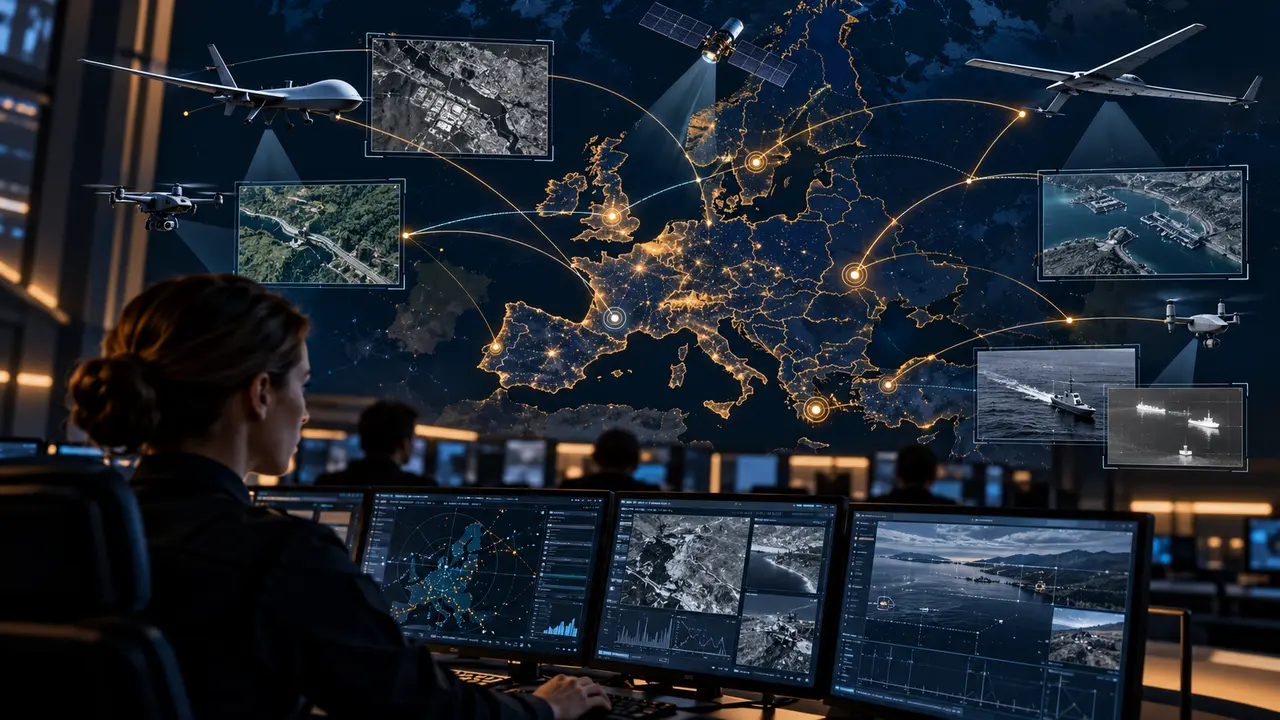
The architecture acts as a common language between systems from different manufacturers. Value lies not only in each aircraft, but in merging data into a situation that can be understood within seconds.
The Reuters-observed test retained a final human decision, although Intelic says some functions could become more automated when reaction times are extremely short.
A human remains in the loop — for now
Who verifies identification, prevents classification errors and bears responsibility for an algorithm-influenced decision? Operational efficiency alone cannot answer these questions.
A wartime system must be auditable, resist jamming and deception, and allow genuine human interruption. The more equipment it connects, the faster bad data can spread.
European sovereignty requires standards
The Netherlands has supplied more than €12.5 billion in military aid since 2022, including nearly one million drones. The Kiel Institute puts European drone aid at €1.6 billion in the first four months of 2026.
Common interfaces make it easier to replace equipment, add sensors and avoid dependence on one supplier.
Speed, accountability and civilian uses
Faster warning can protect civilians; meaningful human oversight is a legal and ethical requirement; secure open standards are an industrial priority.
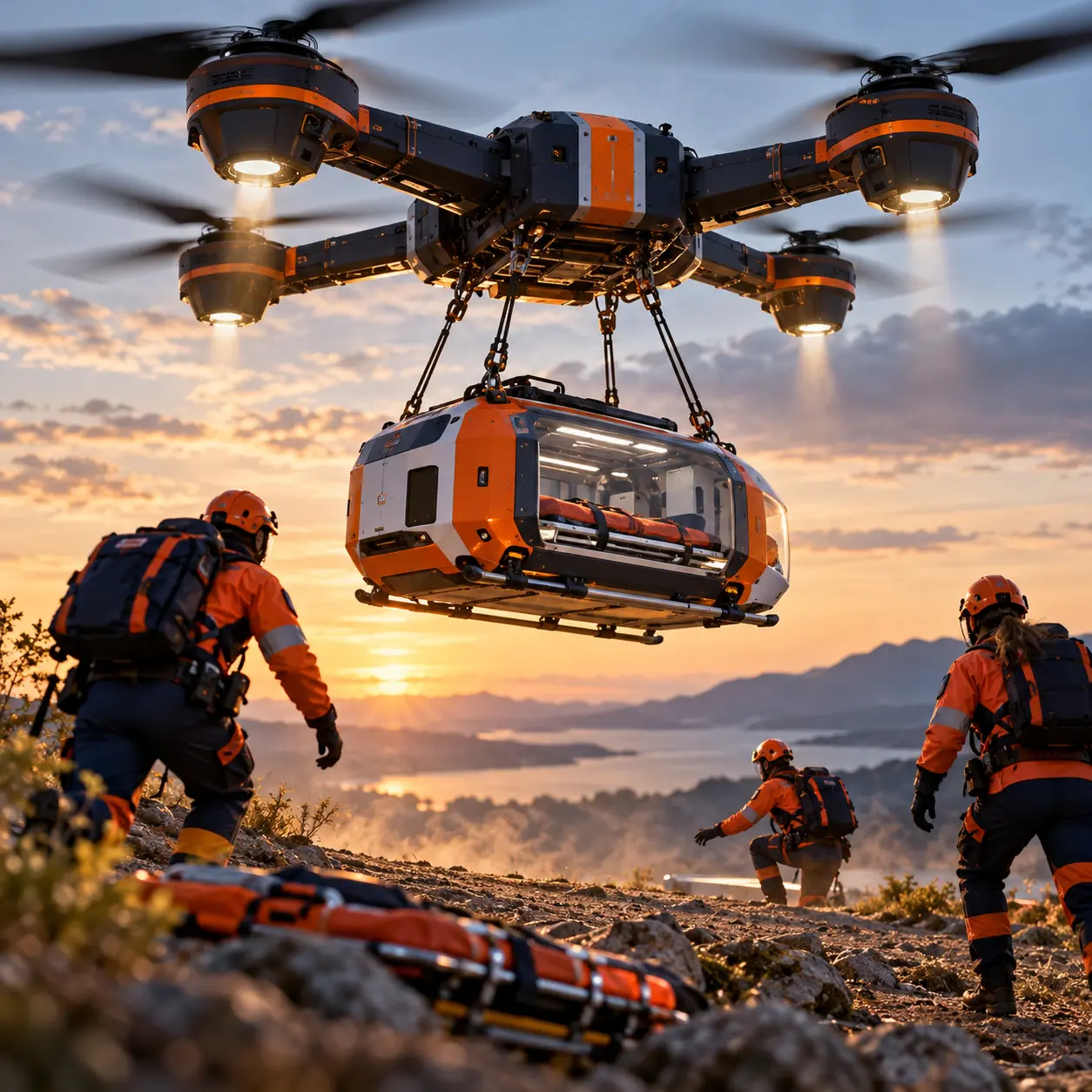
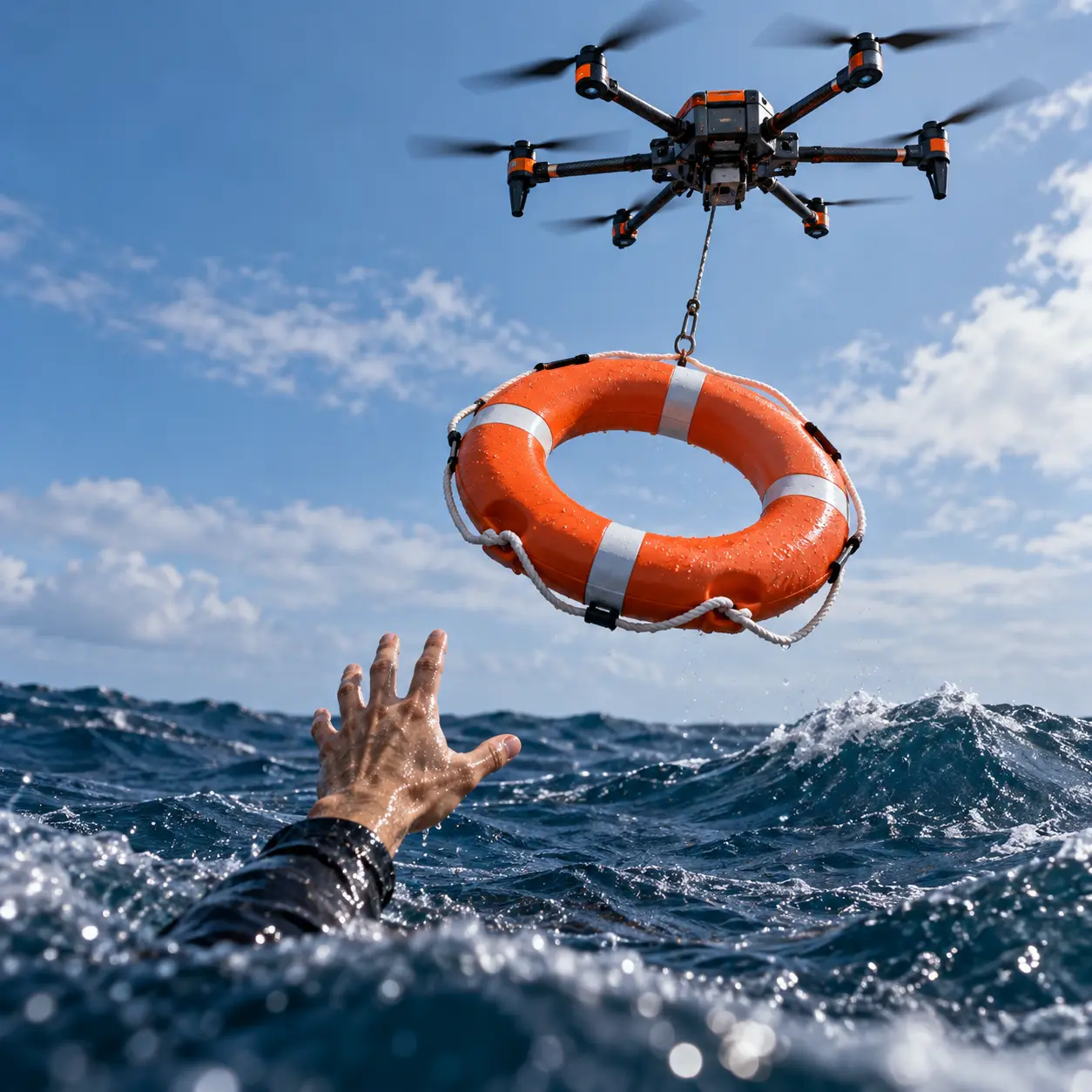
Sensor fusion can also assist firefighting, search and rescue and inspection, provided privacy and traceability rules follow.
The decisive innovation may be software that makes incompatible systems cooperate. Europe must gain speed without blindly delegating decisions.
Comments 0
Be the first to comment on this article.