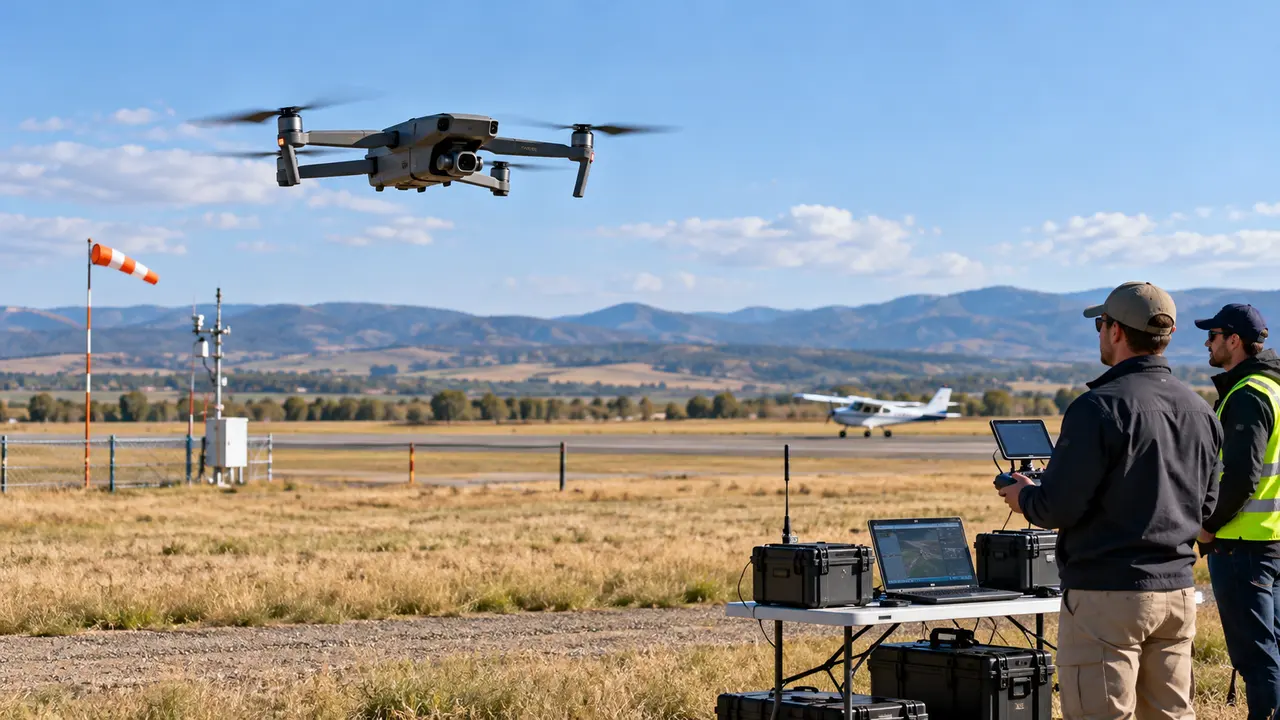
A drone can already follow a route, avoid some obstacles and transmit images. The difficult problem starts when it must fly beyond its pilot’s sight, cross paths with other aircraft and prove in real time that it is entitled to be there.
The aircraft is no longer the only bottleneck
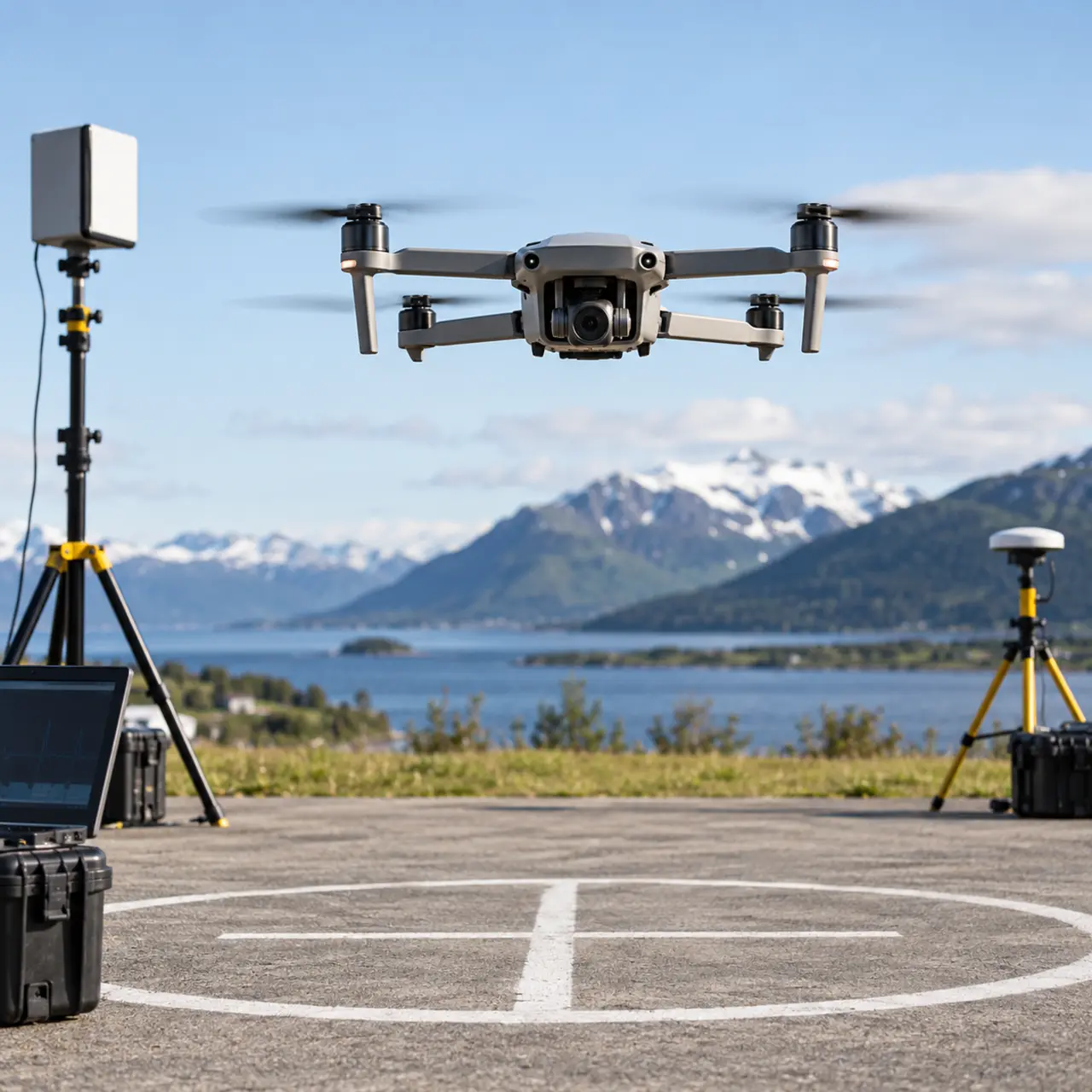
The programme announced by the FAA funds nineteen projects across its test sites. They include ground systems to avoid other aircraft, drone visibility, digital identity, a shared altitude reference and long-distance cargo transport.
Building rules that machines can read
Traditional aviation relies on controllers, flight plans and tightly defined procedures. At scale, drones will need an equivalent digital layer: authentication, authorisation, reliable positioning and automated coordination. This invisible infrastructure matters as much as autonomy or battery life.
The FAA describes the funding as research and testing. It is neither blanket permission to fly anywhere nor proof that every project is commercially ready. The distinction is essential: a successful test in a defined corridor cannot guarantee safe service in every city.
Practical benefits depend on trust
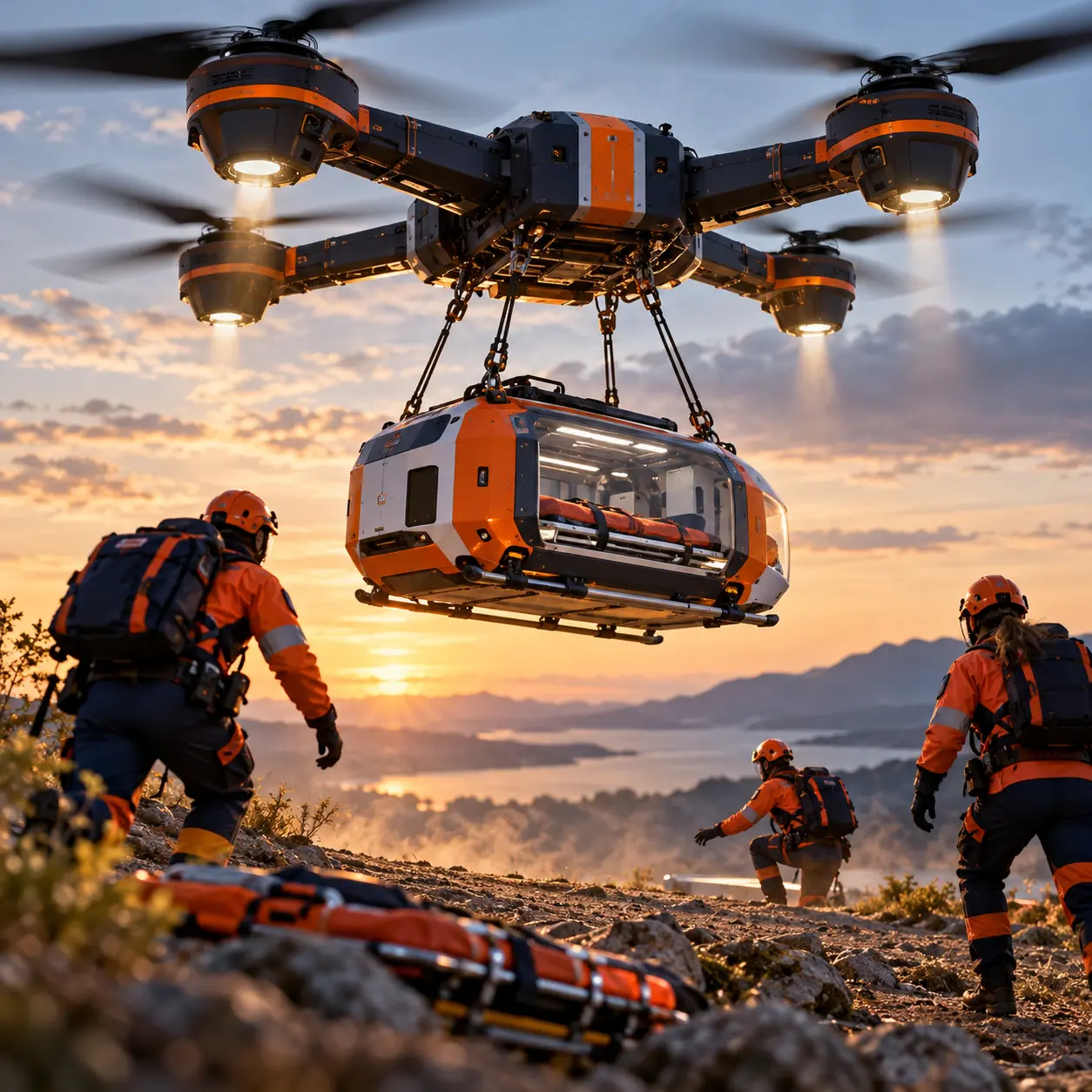
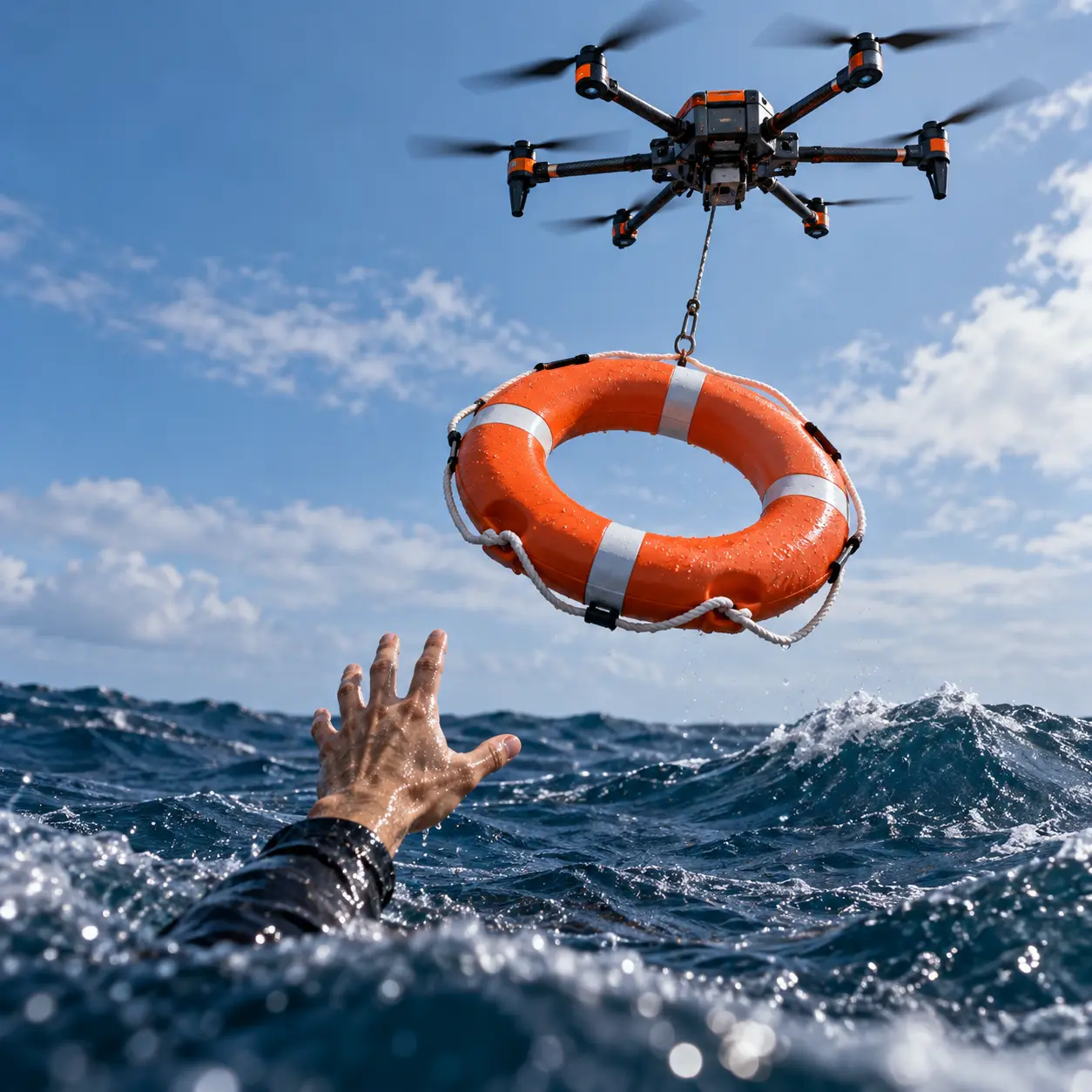
For businesses, clearer regulation could reduce the cost of human observers and enable regular inspections of power lines, railways or agricultural areas. For the public, it could speed up some medical deliveries and disaster damage assessments.
But acceptance will depend on visible safeguards: controlled noise, protected data, clear responsibility and the ability to stop a malfunctioning flight. Integration will succeed only if the sky becomes more useful while remaining reassuringly safe.
What to take away
The $12 million is not funding one headline-grabbing drone. It is funding the quiet building blocks that could turn a collection of demonstrations into a genuine local air network.
Comments 0
Be the first to comment on this article.