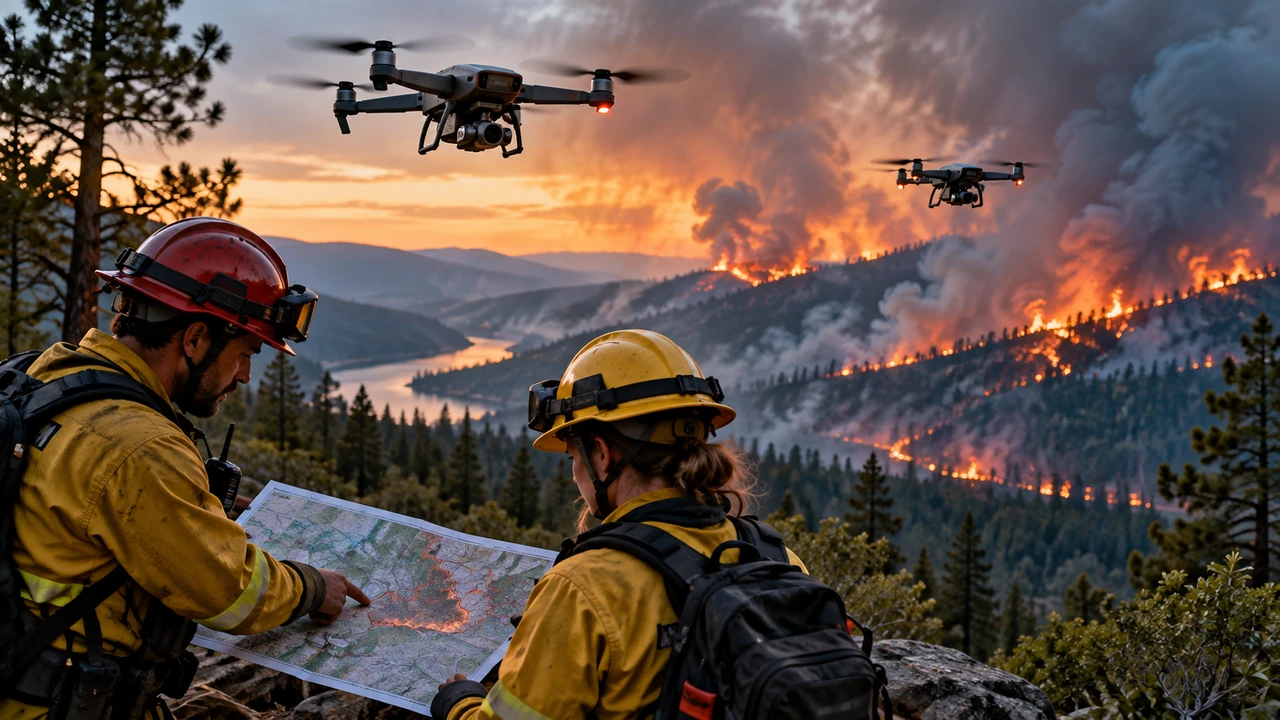
During a fire or a search for a missing person, several drones can rapidly explore inaccessible terrain. Researchers now want AI to make more decisions without removing human control.
Missions where every minute counts
A drone team can divide a search area, relay thermal images and track a disaster. Agentic AI can analyse events, organise actions and reassign aircraft.
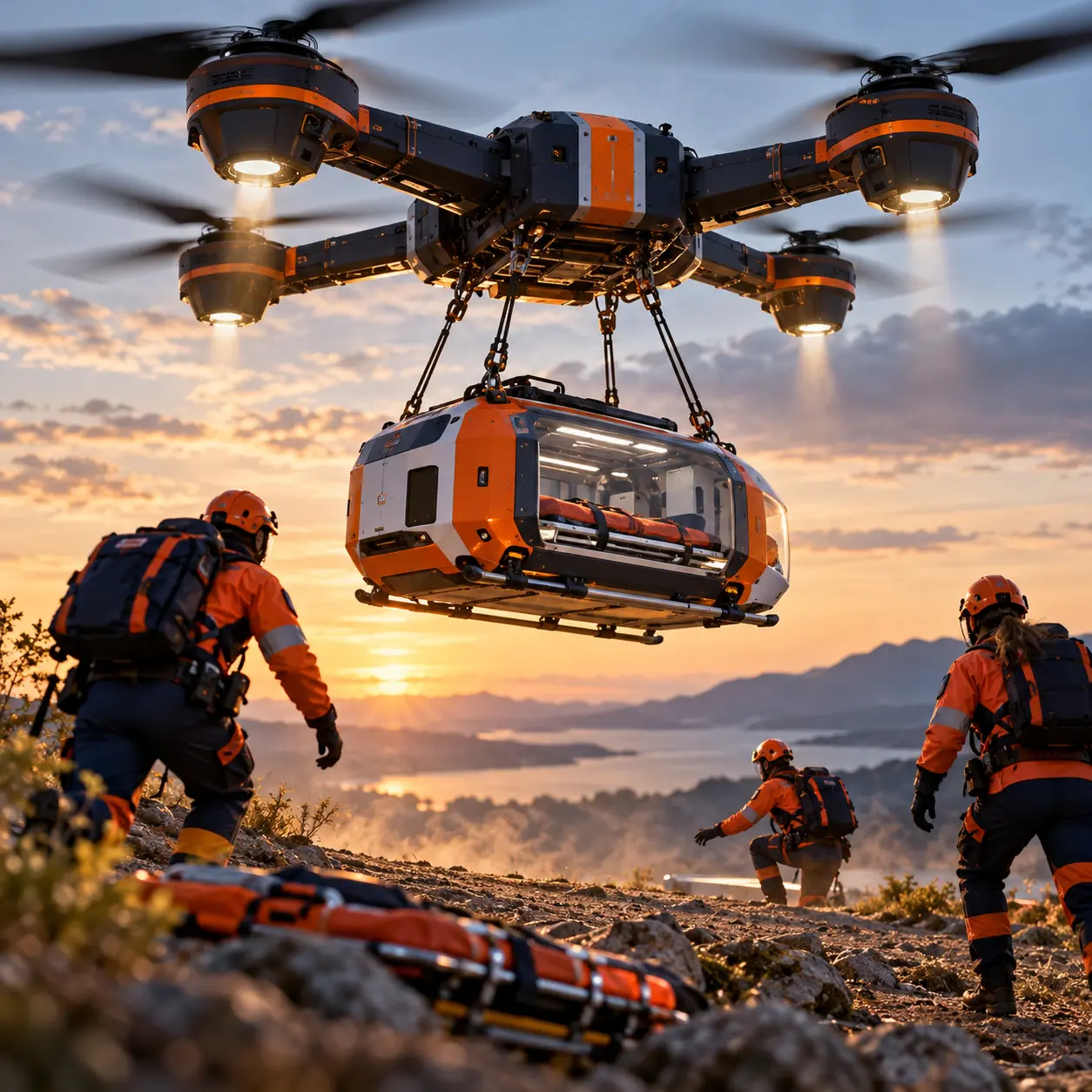
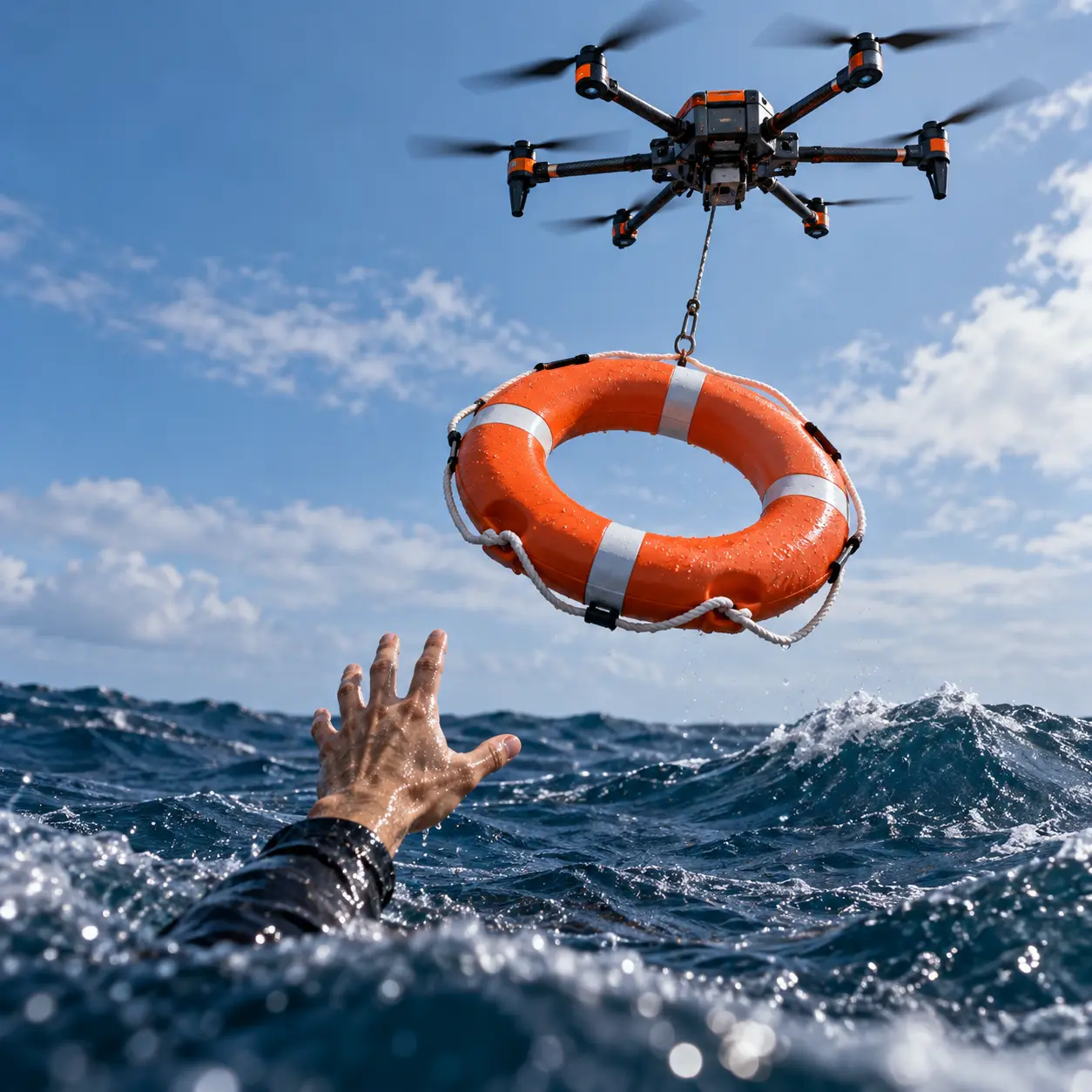
Recent research examines search and rescue, firefighting and continuous monitoring of critical infrastructure.
Technical performance is not enough
In a critical mission, decisions must be understandable and contestable: why did a drone leave an area, and who can cancel its action?
Speed and detection rates are insufficient; interfaces, responsibility and human takeover matter equally.
Design with professionals
Researchers recommend involving emergency workers, firefighters, operators and infrastructure managers from the outset.
Prototypes must face uncertainty, time pressure and imperfect communications rather than act as unexplained black boxes.
Risks need guardrails
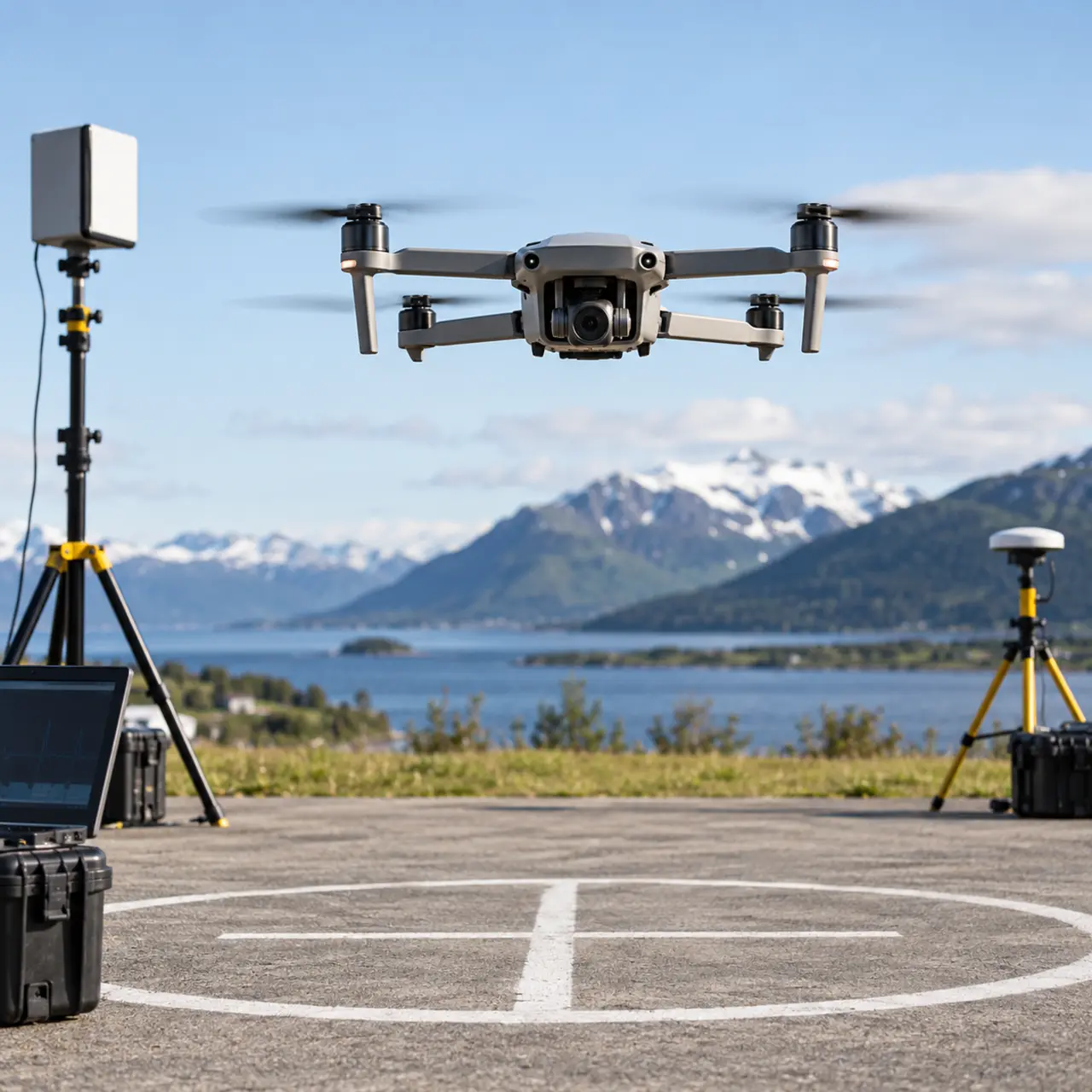
A false detection can waste resources or leave an important area uncovered. Lost communications and changing weather require predictable safe responses.
Data protection is also vital when drones observe homes, people or sensitive infrastructure.
An aerial assistant, not an uncontrolled decision-maker
AI can classify imagery, suggest routes and rebalance a fleet to reduce cognitive load.
Final authority must remain identifiable: the goal is better situational awareness, not removing professionals from the loop.
Comments 0
Be the first to comment on this article.