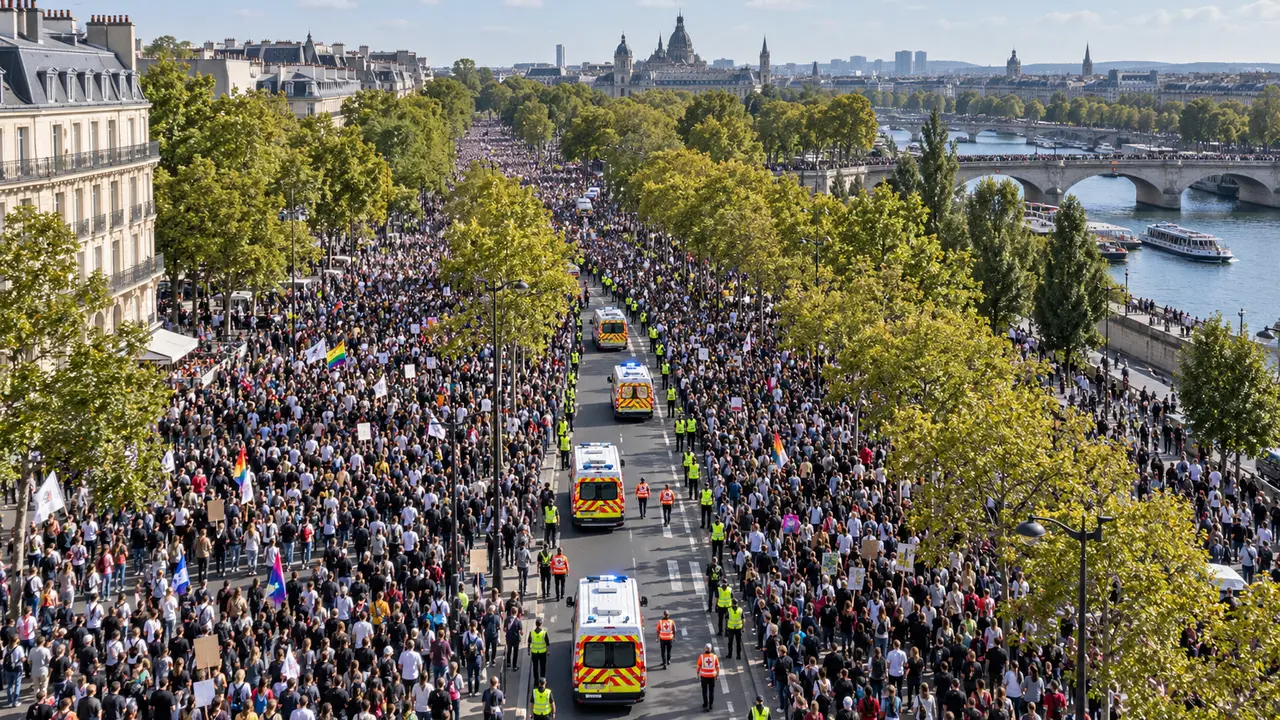
From the ground, a crowd is seen in fragments. From above, flows and compression zones become visible, helping protect protesters, residents and responders.
Authorization tied to a mission
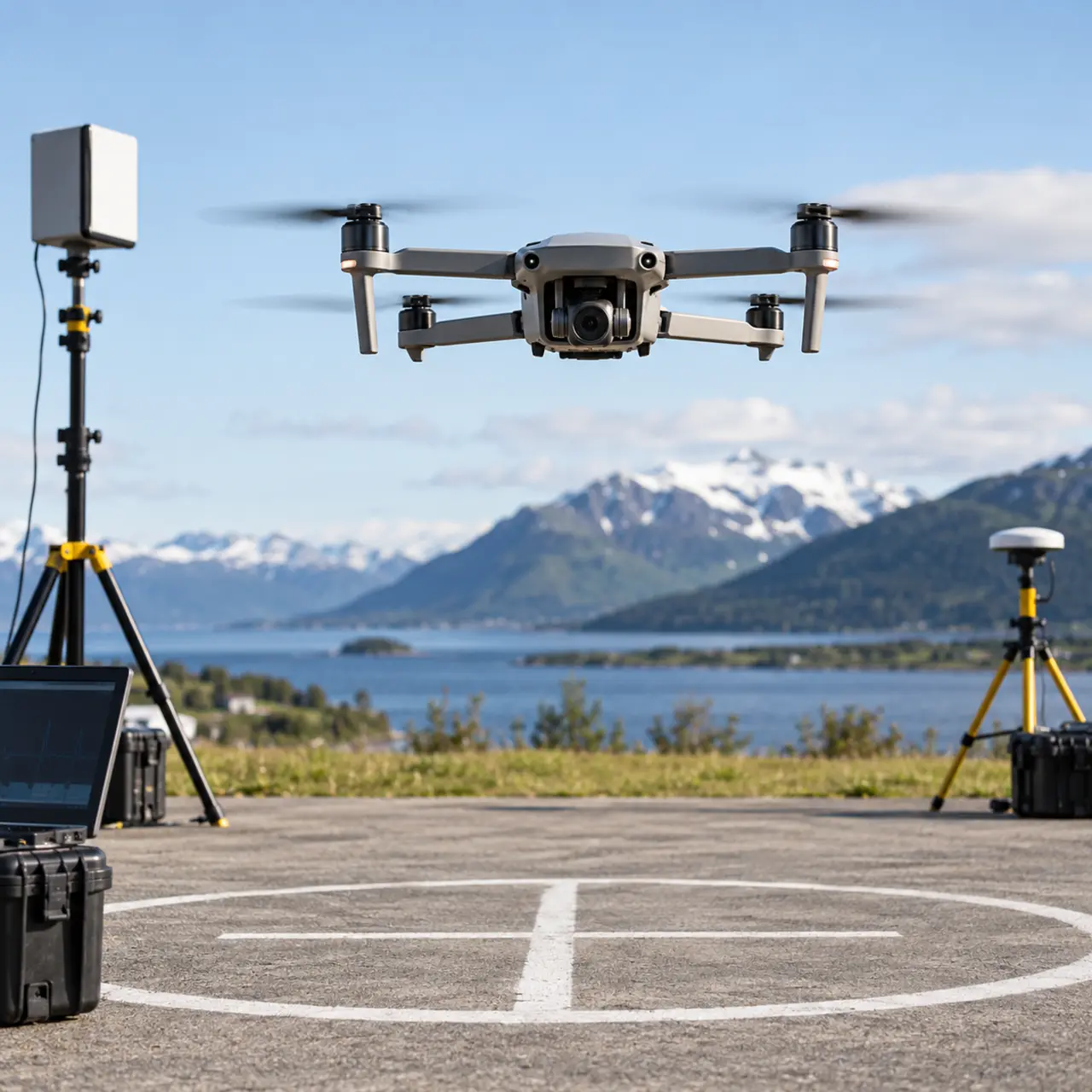
France’s CNIL says use must be strictly necessary and adapted to circumstances. Prefectural authorization specifies purpose, area, duration and the maximum number of cameras. For a gathering, it covers only that event.
Municipal police may not use these drones in their duties. Authorities must consider less intrusive means.
What the drone cannot do
French rules prohibit audio capture, automated linking with other databases and facial recognition, live or later. Homes and entrances must not be specifically filmed.
Images are generally kept for no more than seven days, except a judicial report. The public must be informed where possible.
Protect a corridor, document an incident
The clearest use is keeping an ambulance lane open, spotting dangerous density or checking smoke. A sequence may later be reported to judicial authorities, but interpretation requires authenticity, context and corroboration.
A drone sees movement, not intent.
Conclusion
A drone is a viewpoint, not a flying judge. Its legitimacy depends on a precise mission, public information and separation between collective safety and individual identification.
Comments 0
Be the first to comment on this article.