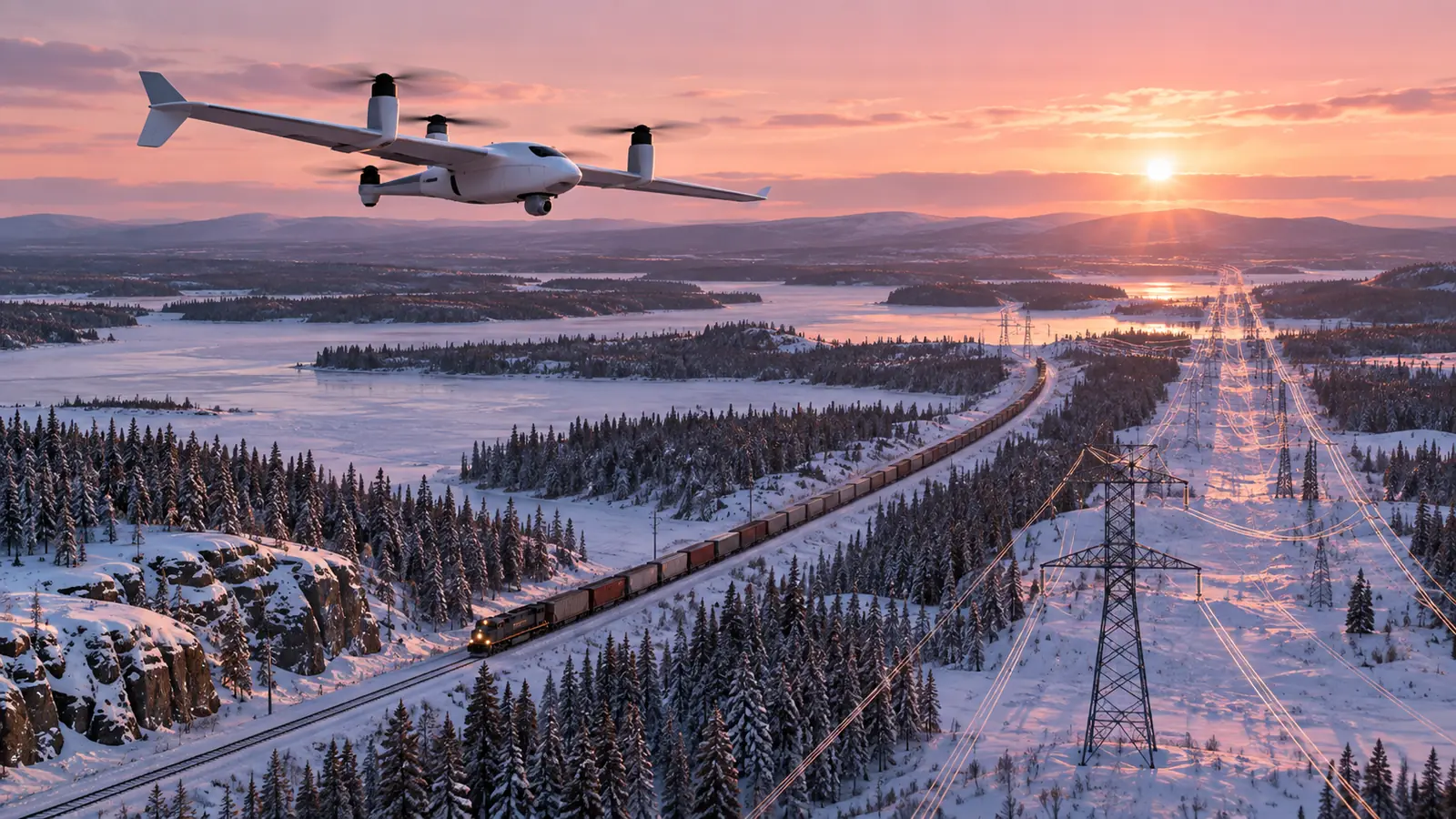
The NT-VTOL450 combines a fixed wing with vertical take-off and landing. The design aims to pair efficient forward flight with less dependence on a runway. For an infrastructure operator, the potential benefit is the ability to document dispersed sites without organising every inspection around an airfield. That does not mean the aircraft replaces a field team. Imagery may help identify an anomaly; understanding its severity, deciding on action and making a repair remain separate tasks. The value of a service also depends on the quality of the data delivered and how it is used.
Commercial figures do not yet agree
The release gives endurance figures of 2.5 hours for the standard version and 4.5 hours for the Pro version, subject to configuration and test conditions. The product page consulted displays a range of 3.5 to 4 hours. The stated temperature limits also differ between the documents.
These discrepancies do not reveal which configuration belongs to each figure. Above all, they prevent a single value from being presented as proven performance. A buyer would need harmonised documents, a precise configuration and tests relevant to the intended environment. No independent validation of these claims was identified in the sources reviewed.
Cold resistance is not resistance to every winter condition
Transport Canada notes that temperature can affect several components, including batteries, motors and control surfaces. Icing is a separate constraint. A stated minimum temperature therefore does not sum up an aircraft’s weather limits.
For the public, this distinction matters: technology presented as suitable for the North does not automatically make an inspection available every day of the year. Actual capability depends on the complete system, the environment and the applicable framework, not one number in a brochure.
The cost of a service goes beyond the aircraft
Economic value must be assessed over time. It includes maintenance, training, travel organisation, data processing and periods when the equipment cannot be used. Without comparable accounts, guaranteed savings would be premature.
If documented trials show useful availability in the cold, remote infrastructure could benefit from more regular monitoring. Otherwise, a highly specialised drone may remain limited to a few applications. Both outcomes remain open.
Conclusion
The Canadian announcement draws attention to a real need: better knowledge of infrastructure condition in isolated regions. To turn promise into a credible service, the NT-VTOL450 will above all need consistent, verifiable performance under the conditions it claims to address.
Comments 0
Be the first to comment on this article.