
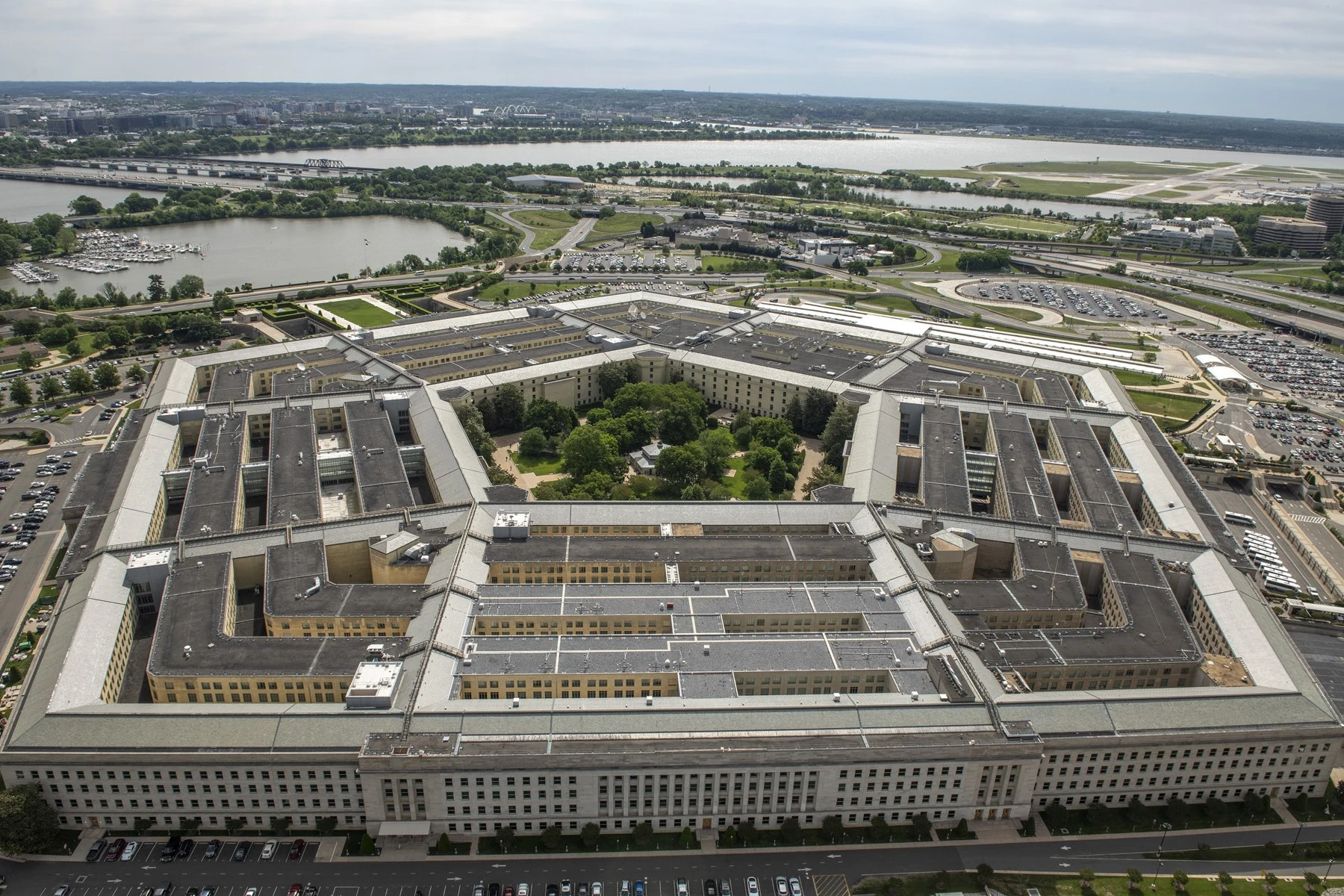
A military transformation does not always begin with a new machine. It can start with a new organisational chart. Through the Autonomous Warfare Command, or Autowarcom, the Pentagon wants to give autonomous and robotic systems a central role. The announcement concerns their organisation and development; it does not demonstrate that a fully autonomous army already exists.
A command announced, with implementation still ahead
On 30 September 2026, US Defense Secretary Pete Hegseth announced the new command. Reuters confirms that it is intended to support autonomous and robotic capabilities across the armed forces. Defense One reports a target establishment date of 1 October 2027, citing a memorandum circulated after the speech.
The political decision must therefore be distinguished from its implementation. The resources assembled, responsibilities assigned and results achieved will need to be assessed during this establishment phase.
Autonomy describes several different functions
An aircraft without a pilot on board is not necessarily a weapon that independently decides to use force. Automated navigation, analytical assistance and autonomous target selection are different functions.
The International Committee of the Red Cross defines autonomous weapon systems by their ability to select and engage targets without further human intervention after activation. This distinction avoids attributing identical capabilities or risks to every drone.
Responsibility does not pass to software
In a position published on 3 March 2026, the ICRC recalls that international humanitarian law obligations rest with humans. A system's sophistication does not transfer this responsibility to a machine. The organisation highlights problems of predictability and risks associated with losing human control.
Our analysis: the US reform makes a question beyond hardware more visible. Who understands, authorises and takes responsibility for decisions produced by increasingly automated systems?
Conclusion: organisation cannot replace safeguards
Autowarcom signals a strategic priority. Its announcement demonstrates neither the reliability of future systems nor their legal acceptability. Civilian protection, traceability and human responsibility will remain essential criteria for assessing this development.



Comments 0
Be the first to comment on this article.