
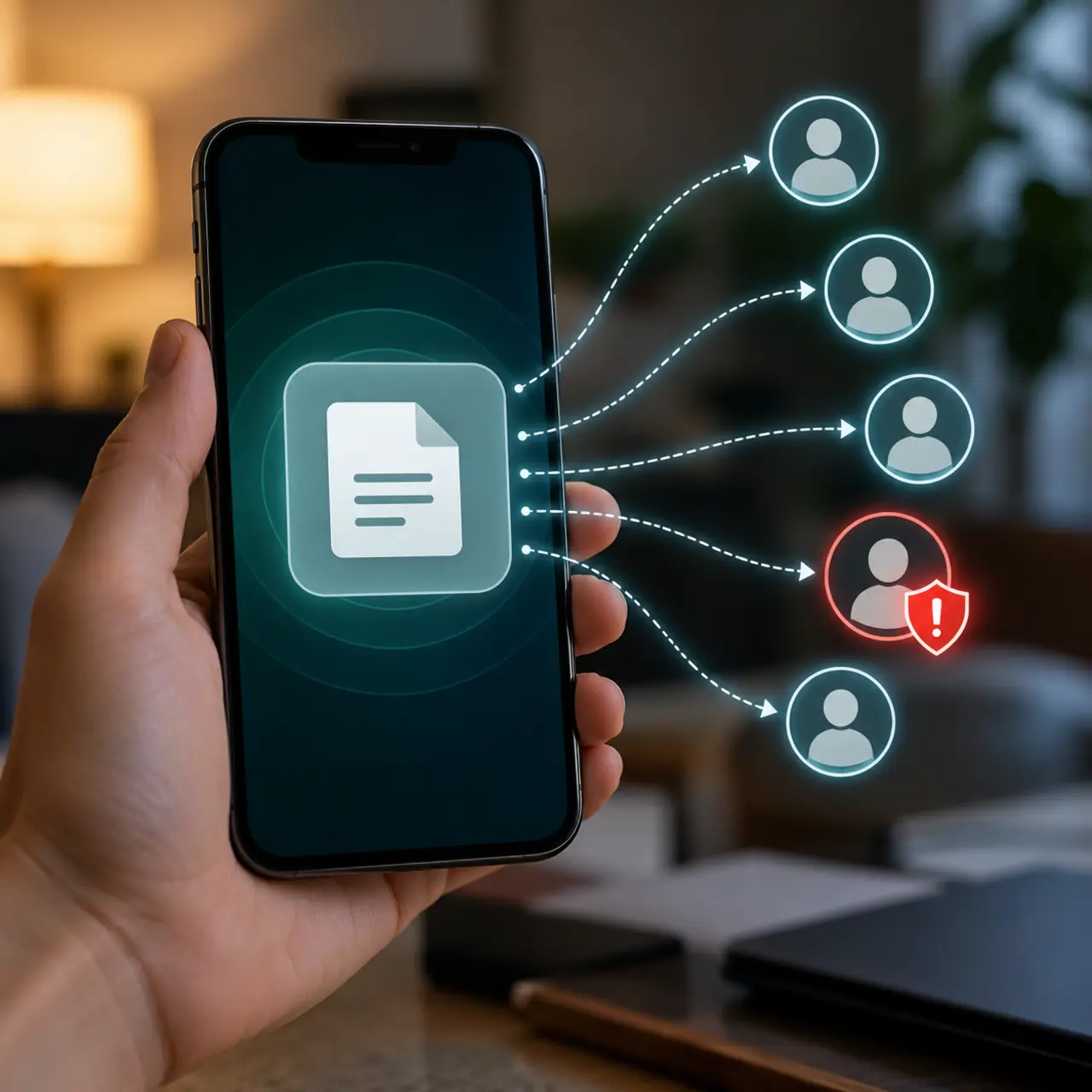
A proxy relays an internet connection. In criminal hands, it can make activity appear to originate from a residential address in a chosen city.
A home address looks more trustworthy
Apparent proximity can weaken automated controls. A login from the owner’s region may seem less suspicious than one from abroad.
The compromised home becomes camouflage without necessarily showing an outage or warning.
From free apps to compromised hardware
The FBI says apps may include components that resell bandwidth, free VPN terms can conceal unusual uses, and dubious hardware or pirated software can install backdoors.
Often ignored devices—streaming boxes, frames, projectors and old routers—may stay online continuously with few updates.
More than a slower connection
Relays can distribute malware, create fake accounts, support phishing or access stolen accounts. The household address may appear in logs linked to crime.
An infected device can also expose other equipment, making an inventory of used and supported devices increasingly important.
Simple precautions still matter
Use official app stores, avoid pirated content and opaque free services, update systems and firmware, and periodically review devices connected to the router.
If concerned, secure accounts from a clean device, review active sessions and contact the provider. The aim is to reduce blind spots, not become an expert.
Home cybersecurity no longer stops at the main computer. Removing unused equipment and distrusting opaque offers make the household a less attractive covert relay.


Comments 0
Be the first to comment on this article.